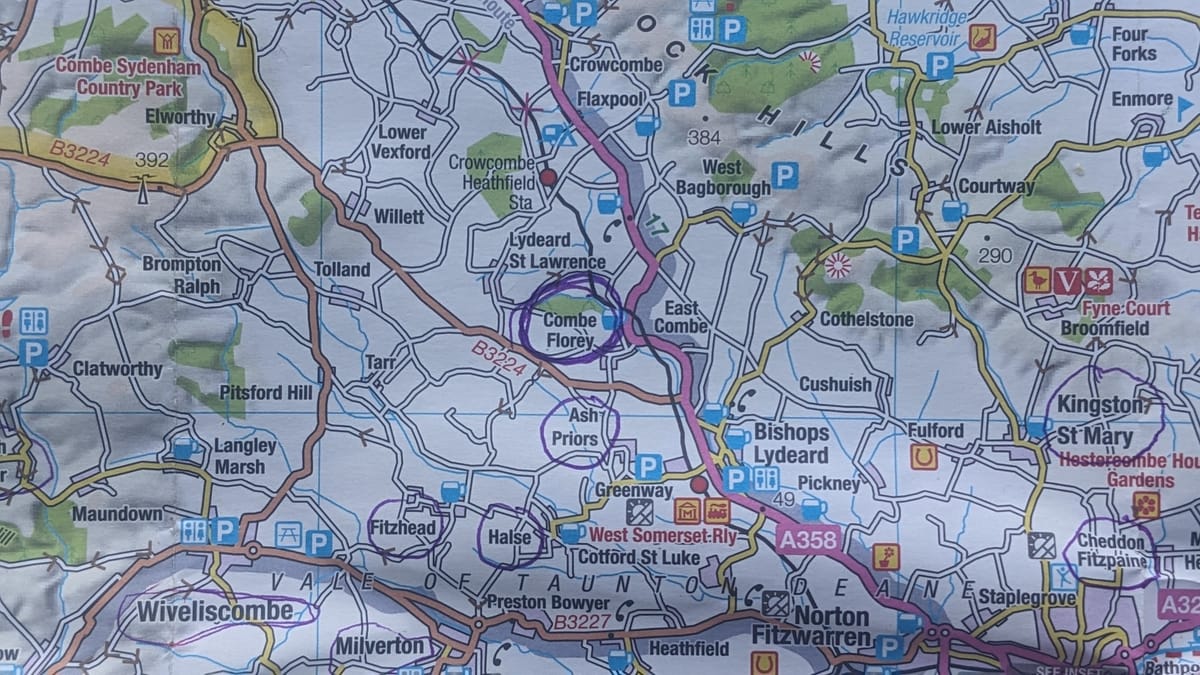
Did the rather idyllic village of Combe Florey gain its name from the location where it lies, in a beautiful valley on the western edge of the Quantocks in North West Somerset, where, in spring, primroses, bluebells and other wildflowers can be found on its steep, wooded slopes; or was it named after Lords of the Manor, Hugh de Fleuri and Baldwin de Cume? The choice is yours, but The Wessex Wanderer is going for the first option, as, although it may seem unlikely, it could well be the correct origin - if we cast our minds back to our post on Nettlecombe… And anyway, it feels more rooted in the landscape!
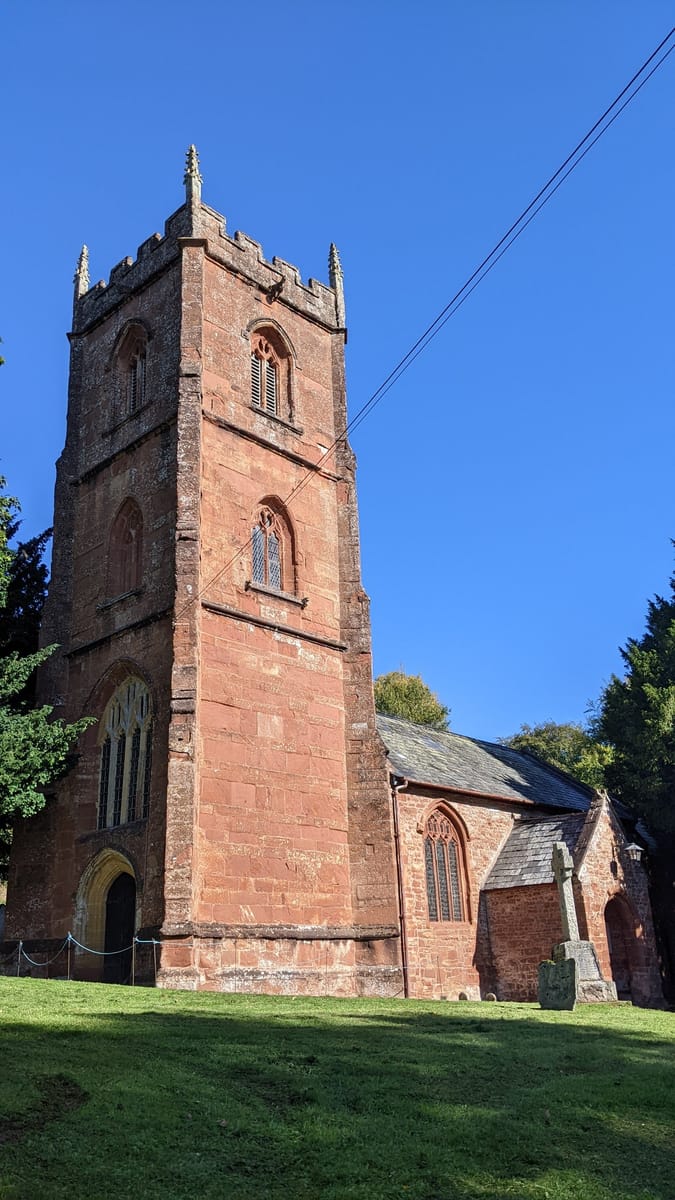
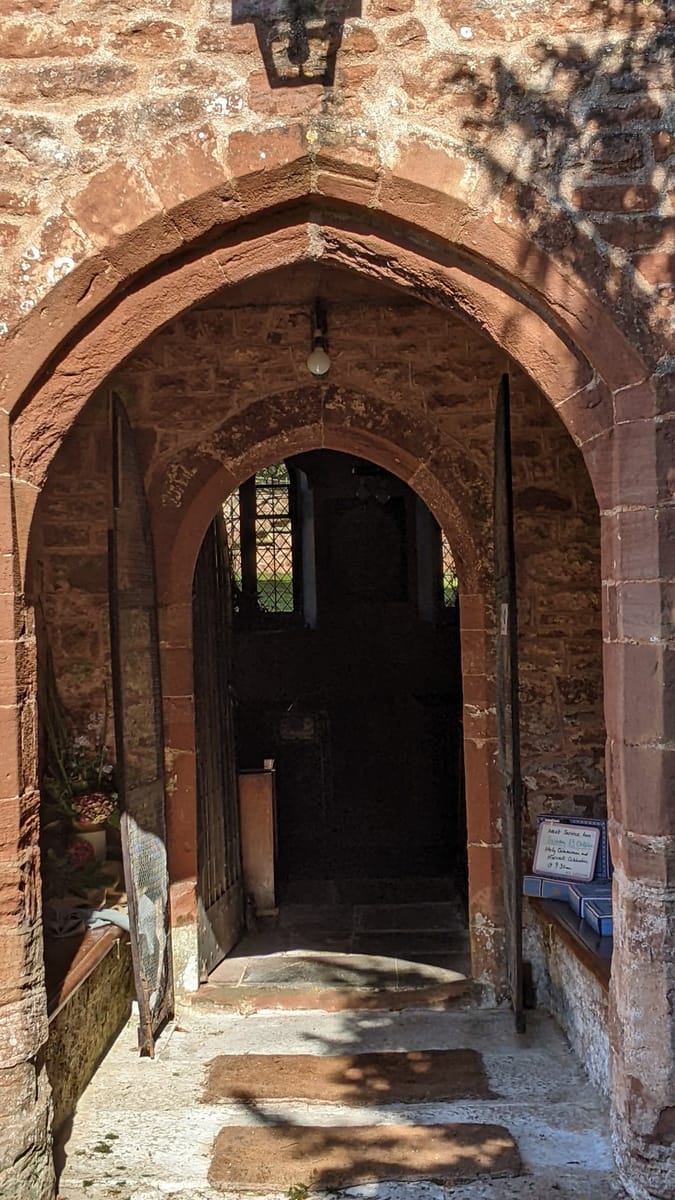
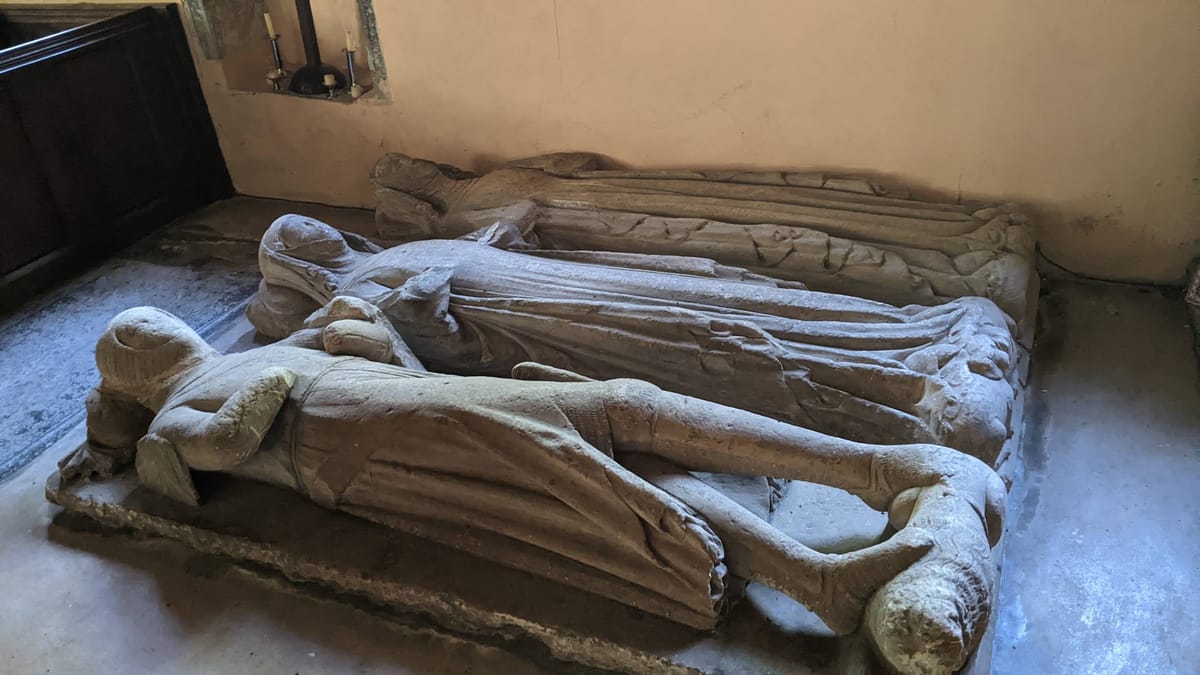
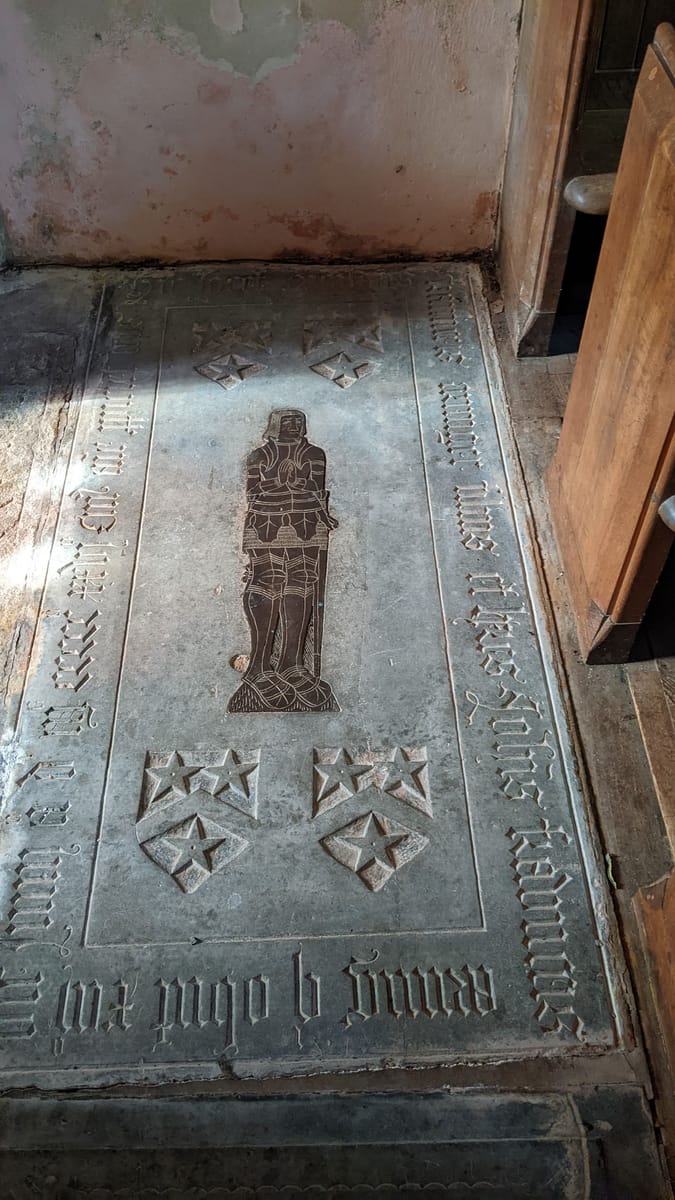
The Manor of Combe Florey is believed to have been held by the Bishop of Winchester in the Saxon period, forming part of his Manor of Taunton. It was still in his ownership in 1110, when the first recorded evidence appears: Baldwin de Cume paid rent for the Manor of 'Three Knight's Fees' (as noted by Lt Col D A Batchelor DSO in 'The Manor of Combe Florey'). The Manor then passed to Hugh de Fleuri and remained in this family until it passed to the de Meriet family of Hestercombe and Merriot. Sir Simon de Meriet and his wife, Lucy, are known to have lived there in 1262. On the death of his father, the Manor passed to Sir John de Meriet, whom one can 'meet' in the lovely, mellow old red sandstone Church of St Peter & St Paul.
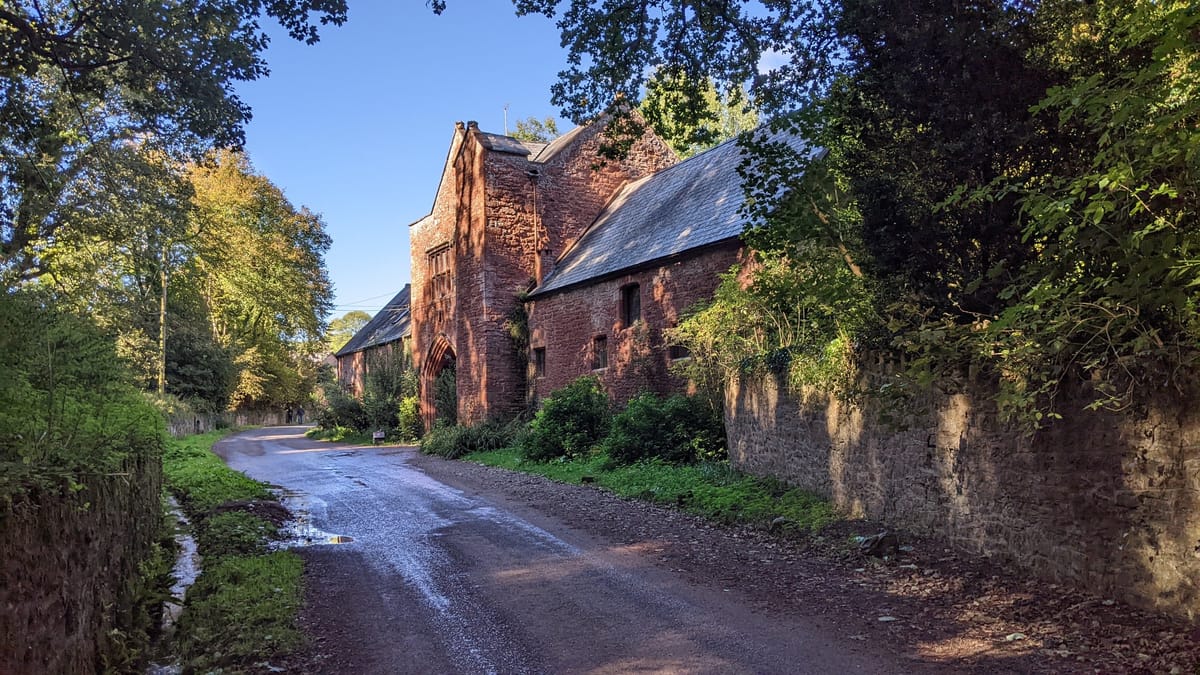
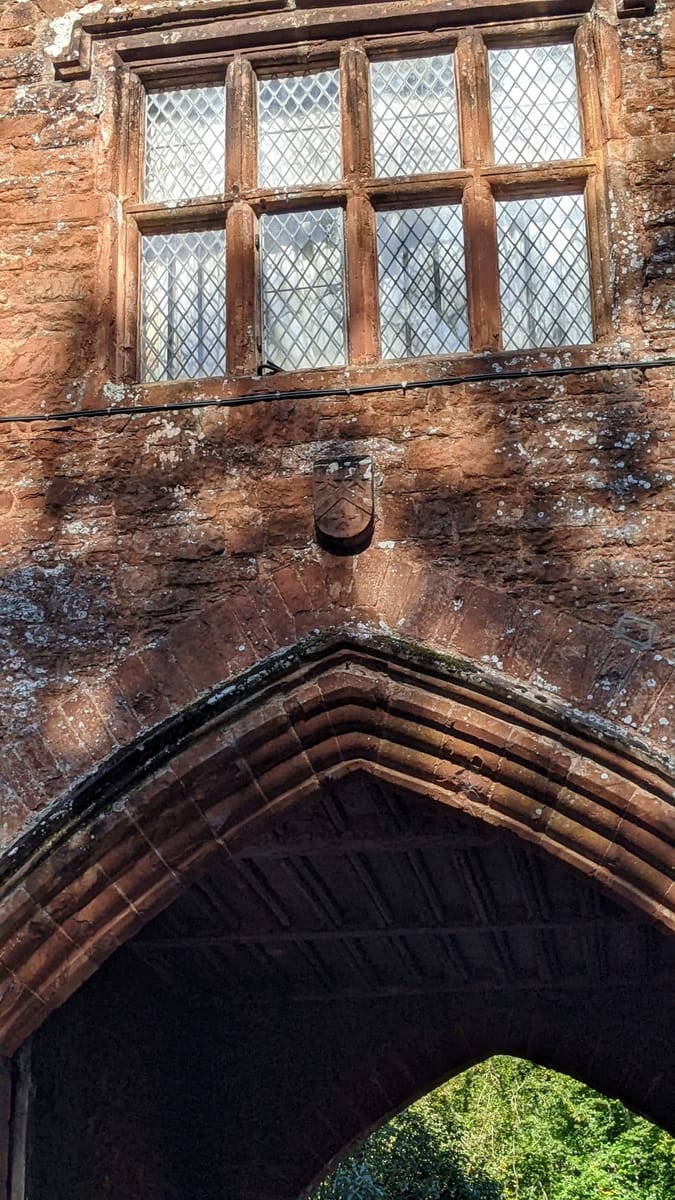
All that remains of the original Manor House is the Elizabethan Gatehouse, which is - in my view - a magnificent building. It stands on the right-hand side as one enters the main part of the village from the A358. Now forming the entrance to Combe Florey House and dated 1593, the Gatehouse was originally four-storeyed, but when it was re-roofed in 1840, the two upper storeys were removed. One can still see a stair turret on what is now the outside of the building. The Gatehouse is now a private dwelling and therefore not open to the public, but I understand it has some stunning Elizabethan plasterwork inside.
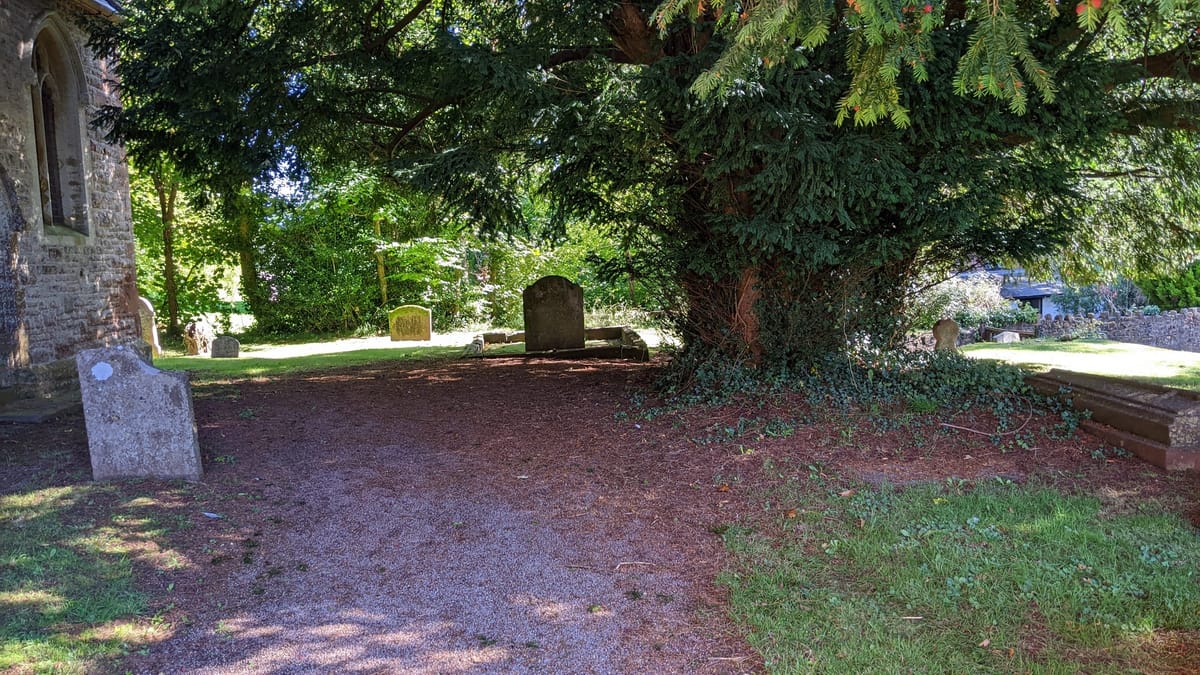
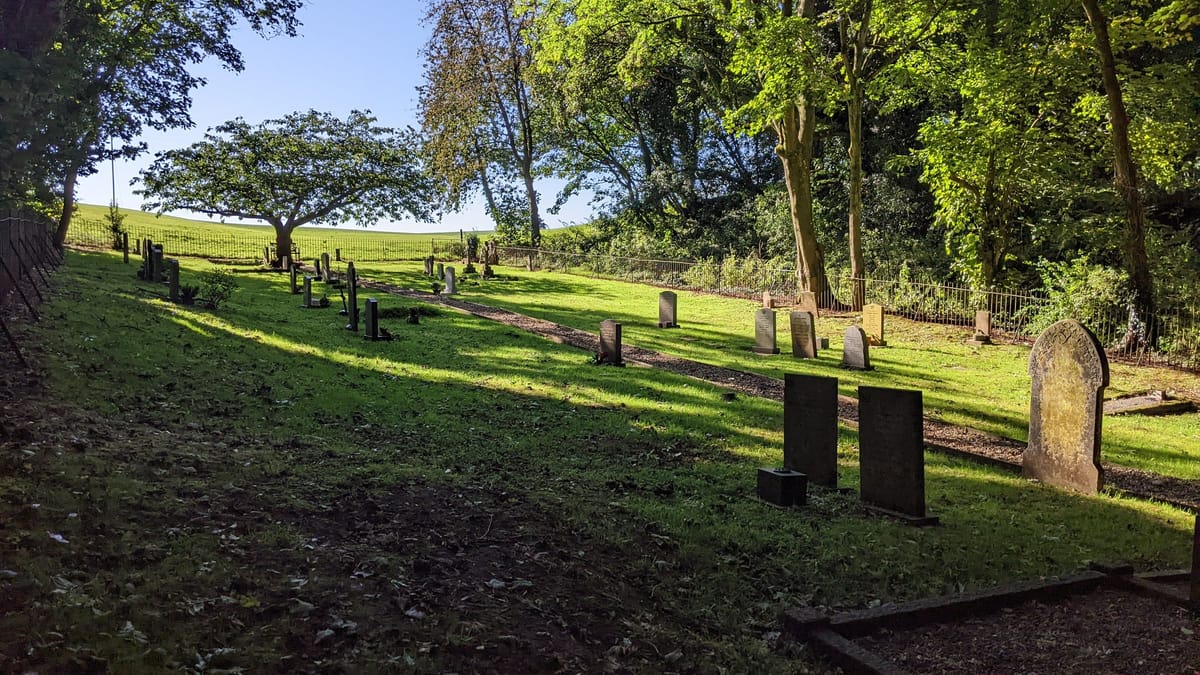
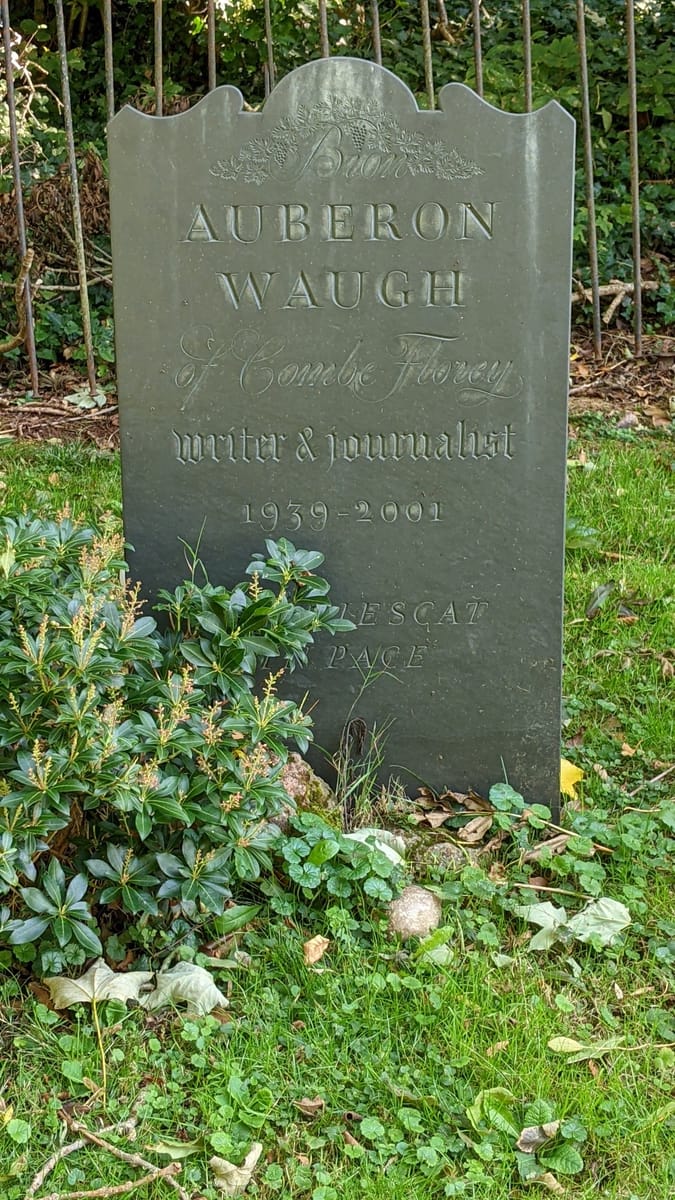
On the opposite side of the road to the Gatehouse - and a little further down - is a piece of land at the top of a bank, which was locally called The Monks' Garden but now forms an extended burial ground. Its ambience, to me, feels both ancient and tranquil, and in spring, I understand there are drifts of snowdrops decorating the slopes. It was here, in this idyllic spot, that I came across the grave of Auberon Waugh, writer and journalist.
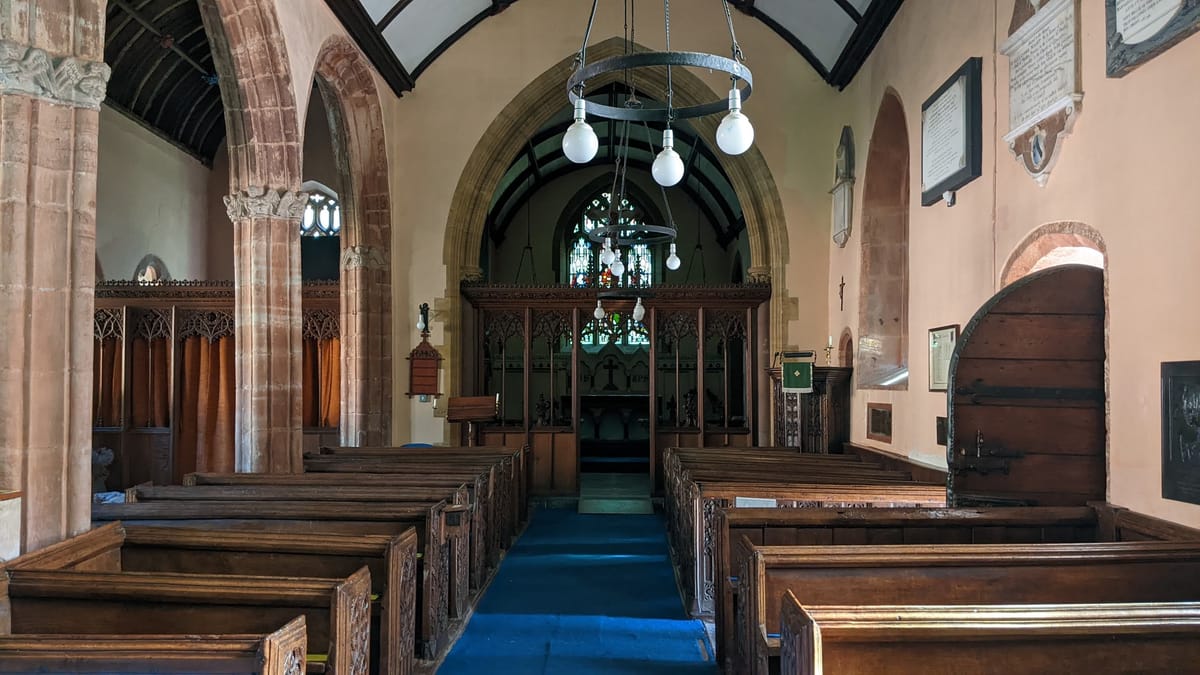
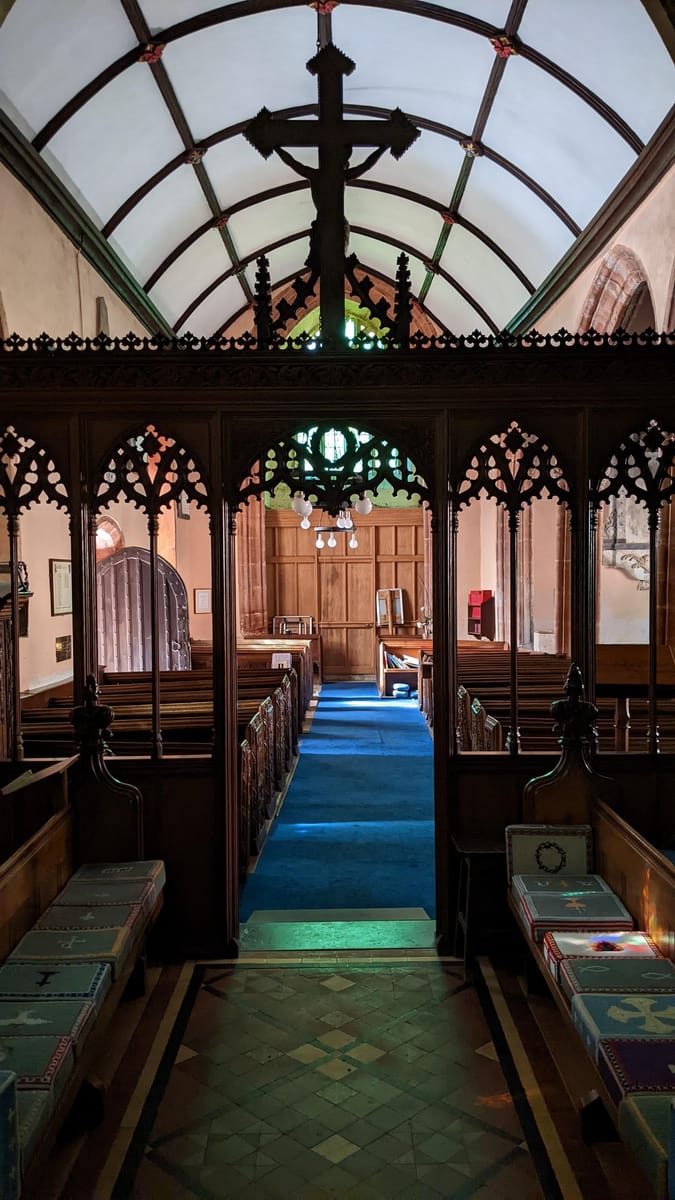
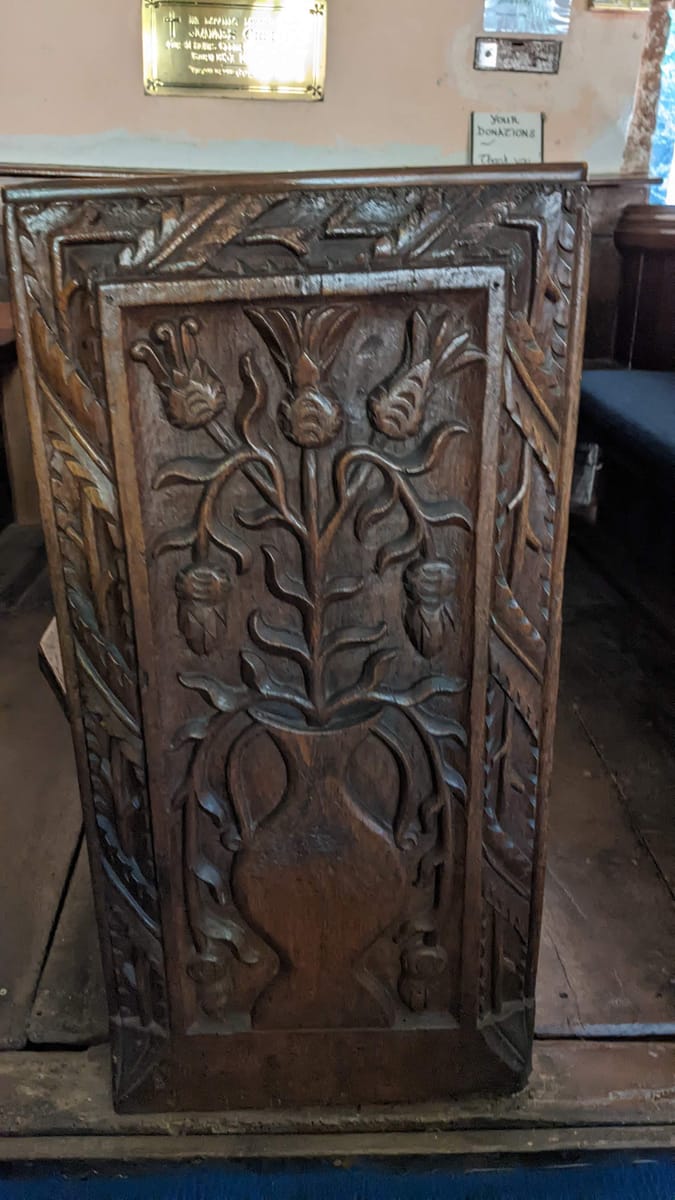
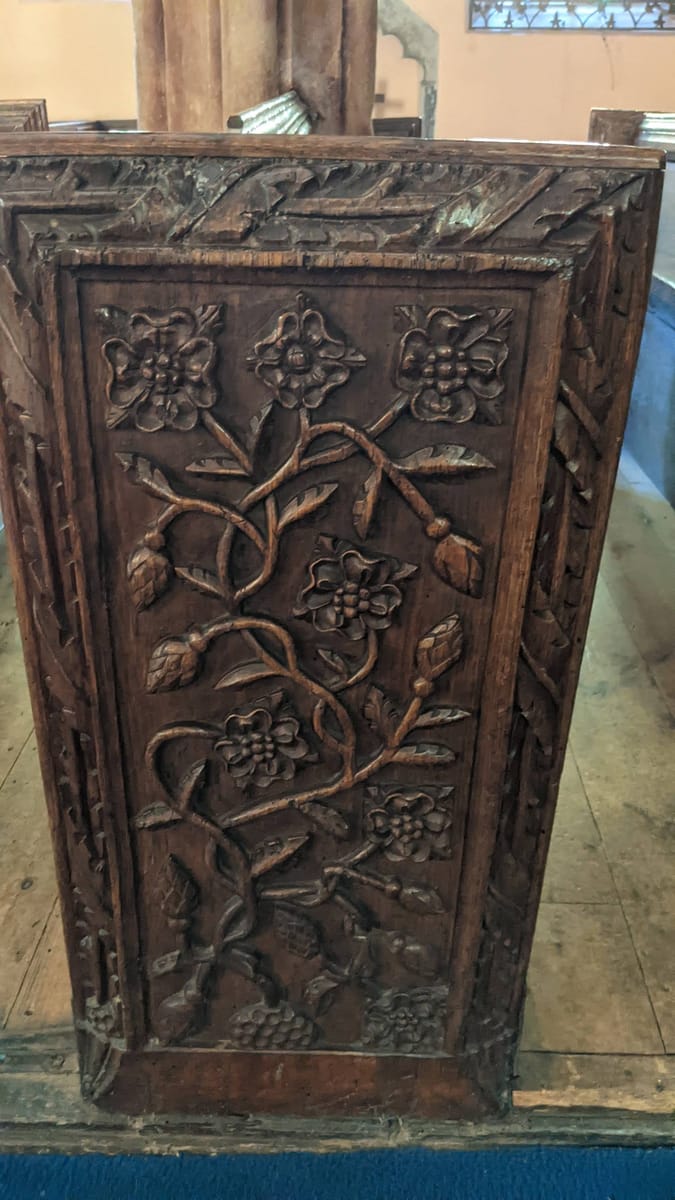
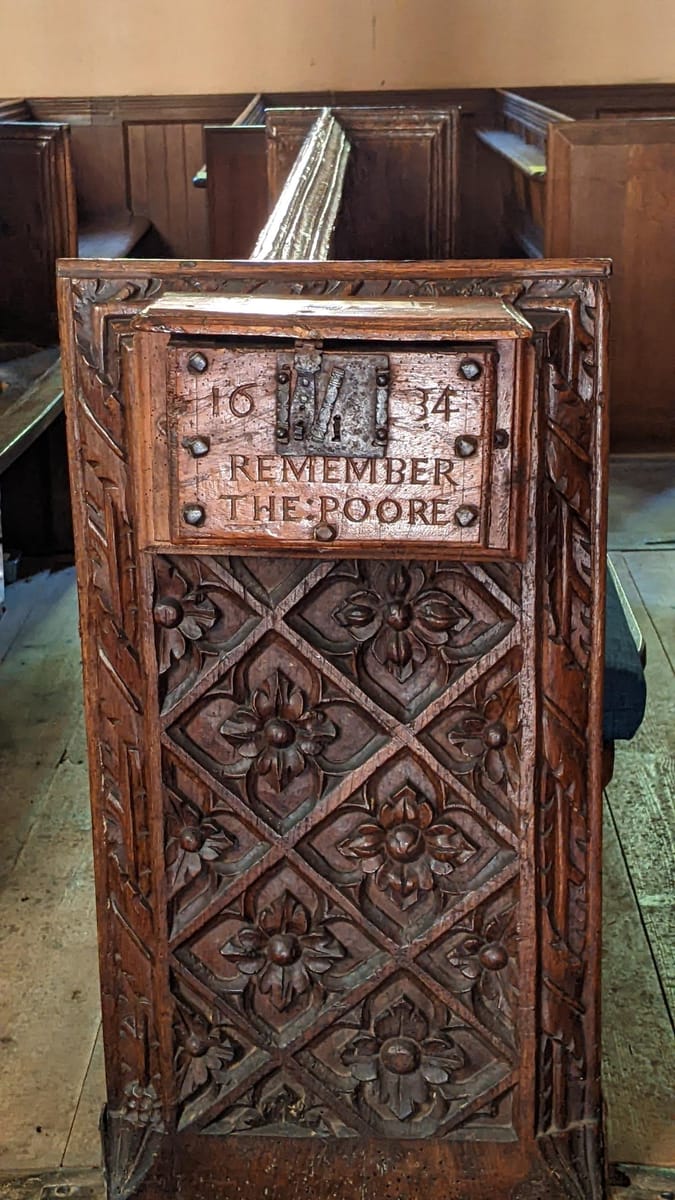
The first mention of a church here is in 1292, but there was already a chapel, and some of it is thought to have been incorporated into the north aisle of the church, as evidence of older stonework remains. Over the years, many additions and alterations have been made, but the core dates back to the 15th century and beyond. There are some really lovely early bench ends, a 15th-century carved pulpit, a Poor Box dated 1614, another excellent wagon roof and numerous memorials. And so it is here that we get to 'meet' Sir John and his two wives - in the form of medieval stone effigies.
Sir John died in 1327. His first wife, Mary, died in 1300, aged 18, and his second wife, Elizabeth, outlived him by 27 years, dying in 1344. The effigy of Sir John depicts him in a late example of chain mail, and on his shoulders are little shields, or 'ailettes', which protected the neck from axe or sword cuts. Apparently, only four effigies in England depict this. He does, however, still look rather fine, which cannot be said for the effigy of poor Mary, who died so young, as the artistry of her effigy is perhaps not as professionally executed as that of Sir John's and Elizabeth's. It is thought that these effigies, which were originally painted, would have been carved in Bristol, which was renowned for stone carving during this period, and shipped to Bridgwater. They were then transported by flat-bottomed boat to Taunton when the famous Rivers Parrett and Tone were in flood, and thence by wagon to their final resting place at Combe Florey.
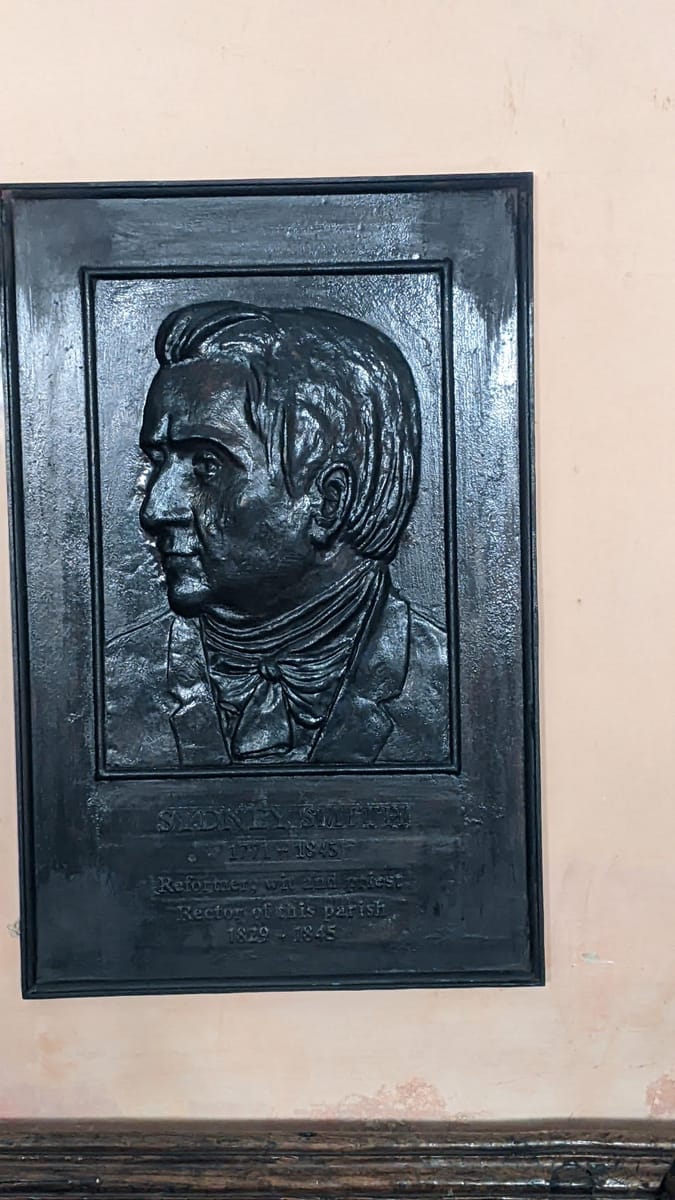
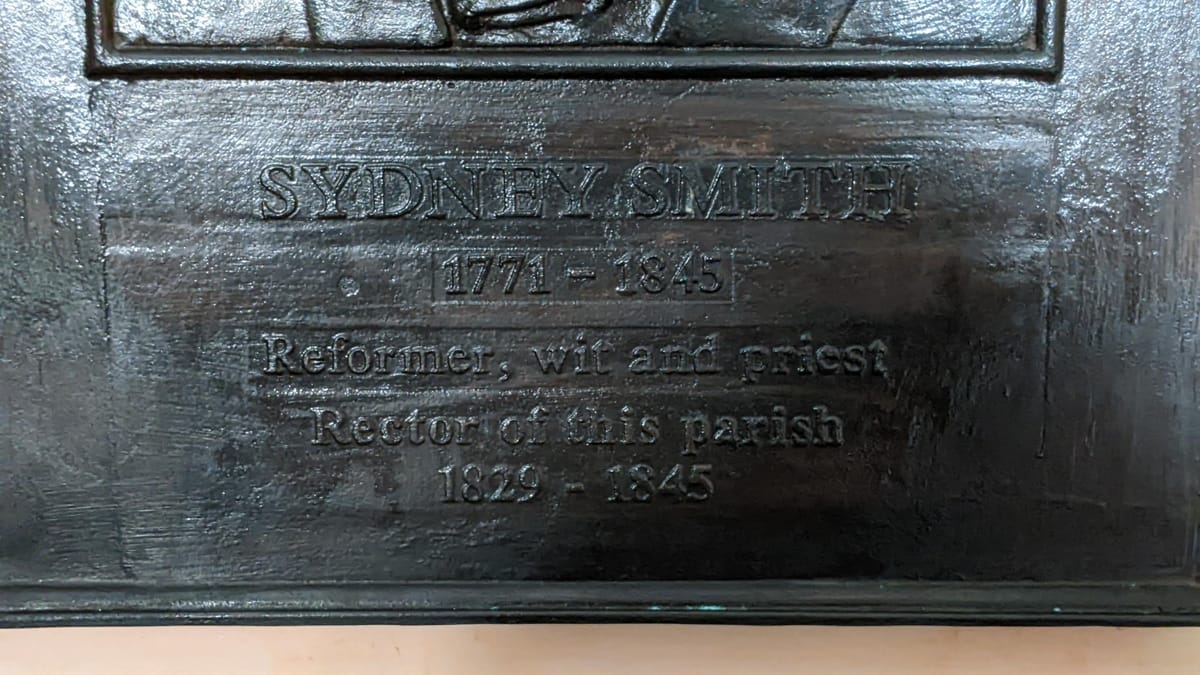
The church has many memorials, one of particular note being that to Sydney Smith, Rector here from 1829 until he died in 1845. Much loved by his parishioners, he cared for their physical and financial health by dispensing medicines and collecting savings, while also attending to their spiritual welfare. A Liberal, reformer and wit, he spoke up against injustice and wrote in support of the disenfranchised. He worked to address the injustices of slavery and poverty, and supported the education of women… So, all in all, rather a good human being all round! There are many today who, I feel, could learn from his attitude.
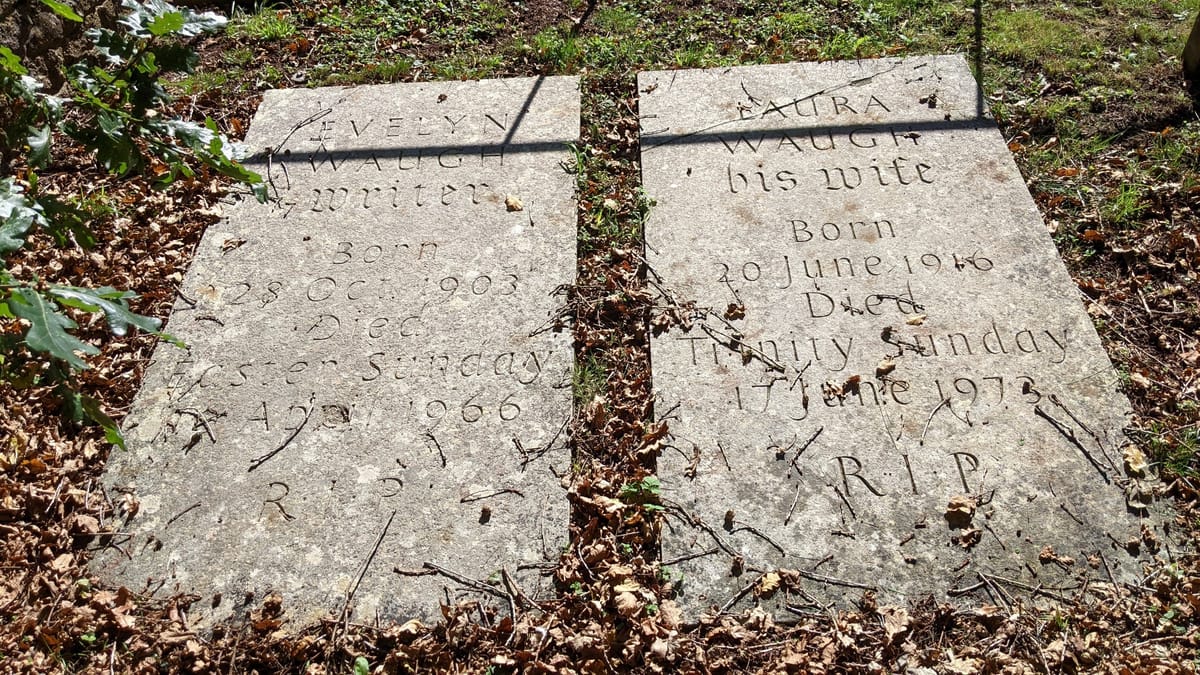
In 1956, the writer Evelyn Waugh purchased Combe Florey House and lived there with his wife, Laura, until his death 10 years later. Their eldest son, Auberon, purchased the property from his mother, who died in 1977, and lived there until his own death in 2001. The family sold the property in 2008. The graves of Evelyn and Laura Waugh can be found in a consecrated private plot, together with the grave of their daughter, Margaret, just outside the churchyard, to the rear of the church.
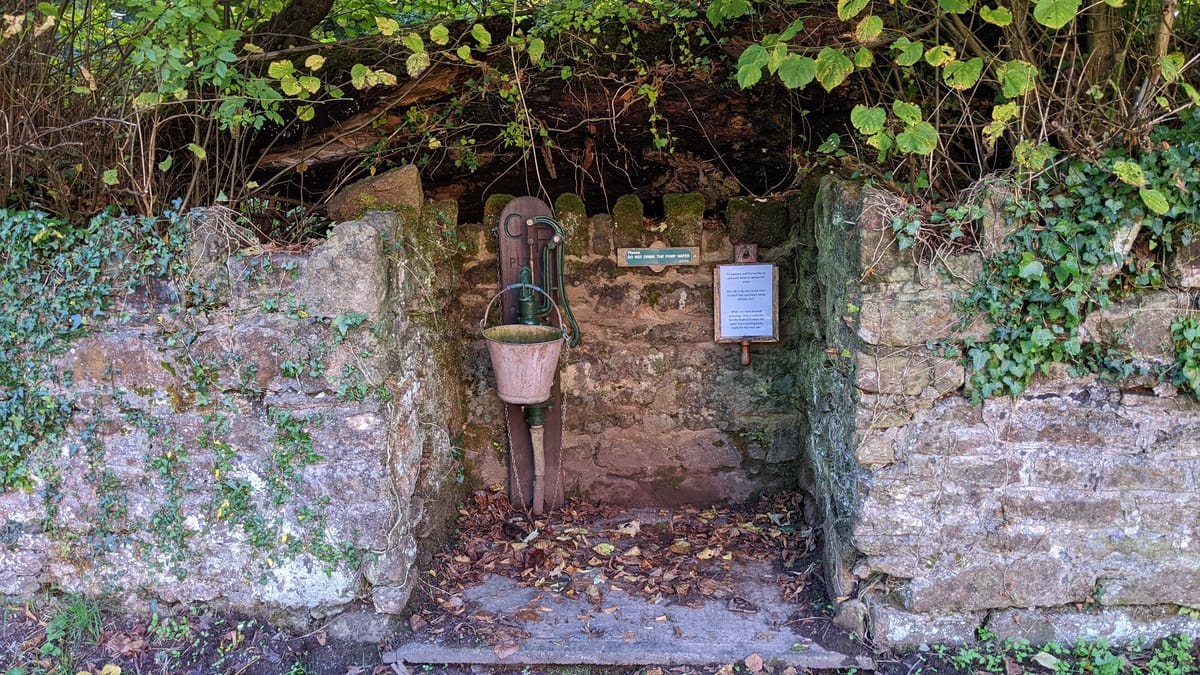
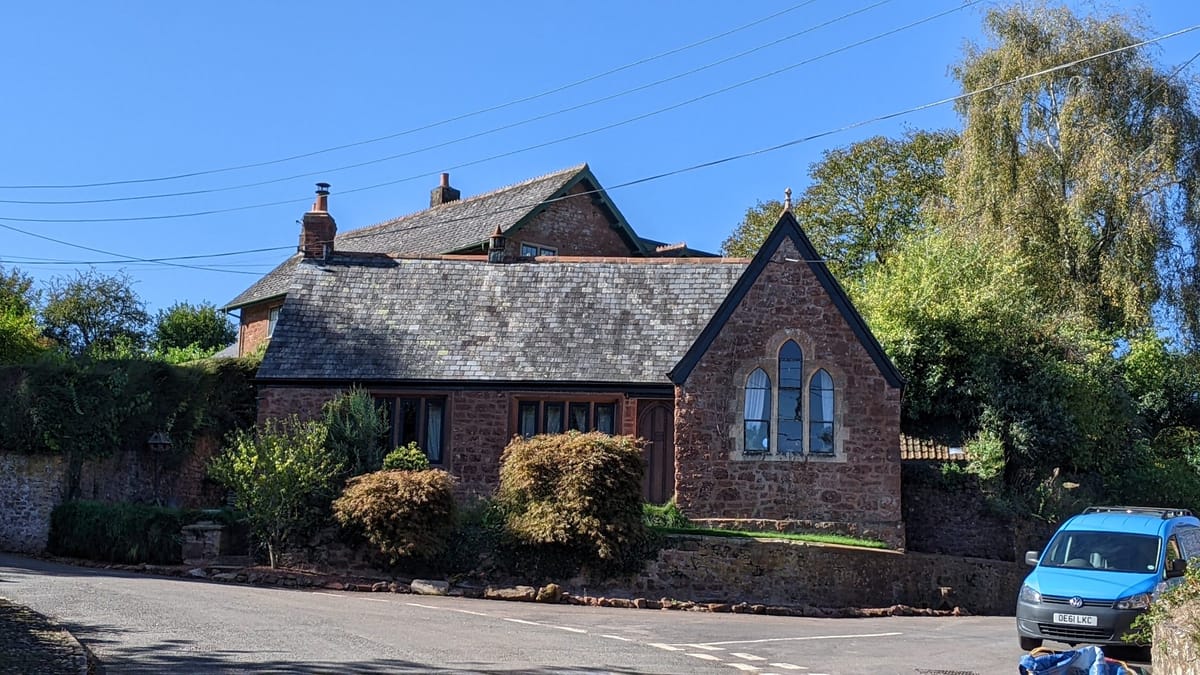
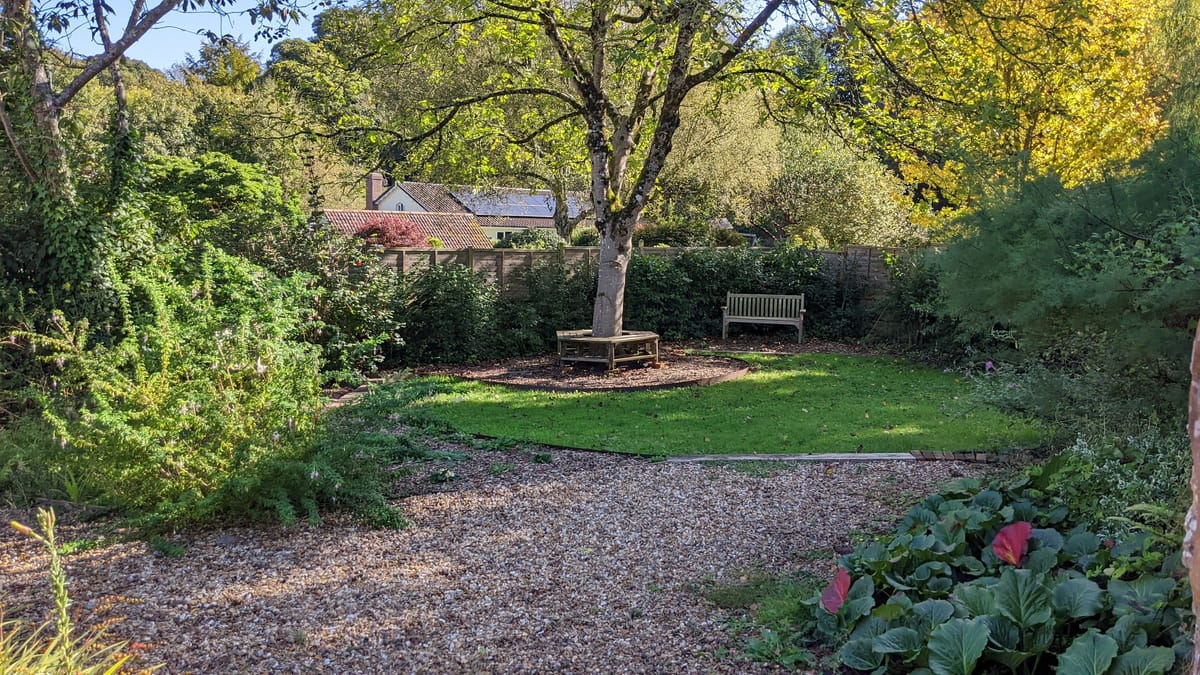
As I wandered up the lane in the golden autumn sun, with bright blue skies overhead and not a cloud to be seen, it felt rather as if time had paused to take a breath in this little West Somerset village. I passed the restored village pump and lovely, mellow cottages and houses, many of which are listed, their gardens still full of colour. I came across the village school, which closed in 1958 and is now a private house, and the repurposed site of the old playground, which has a new lease of life as a well-tended, informal village garden. The only sounds I could hear were the tapping of someone mending a fence, the distant chug of a tractor and birdsong - so it was a very good way to spend one of the golden days of autumn.