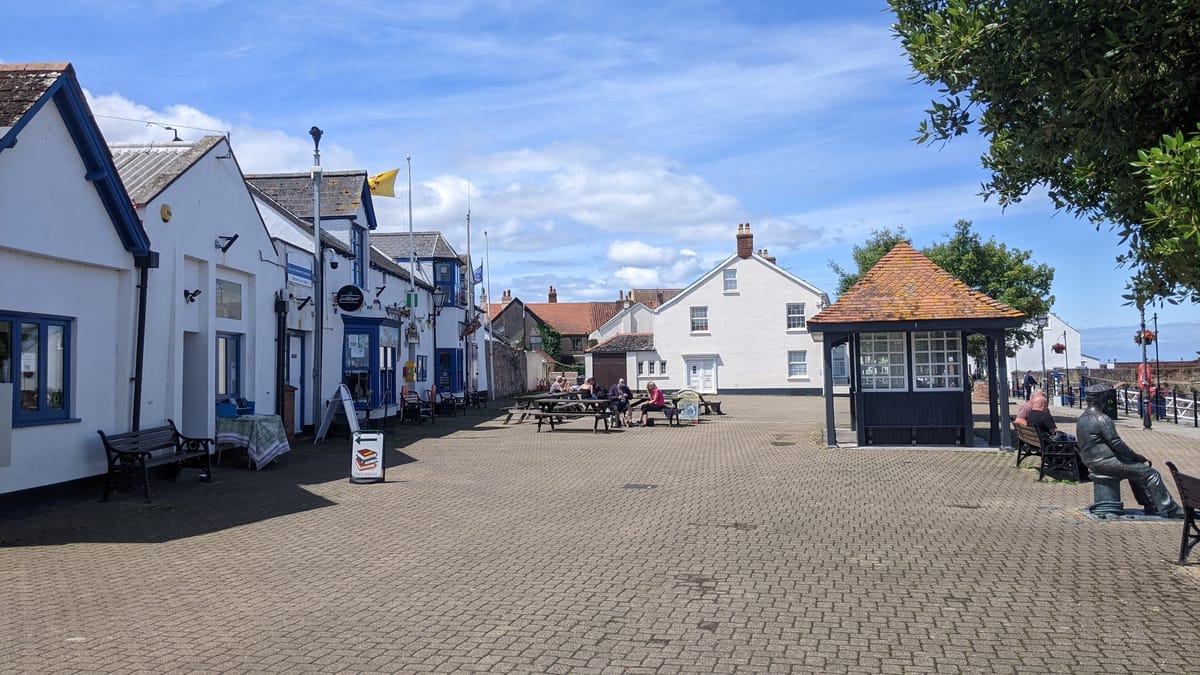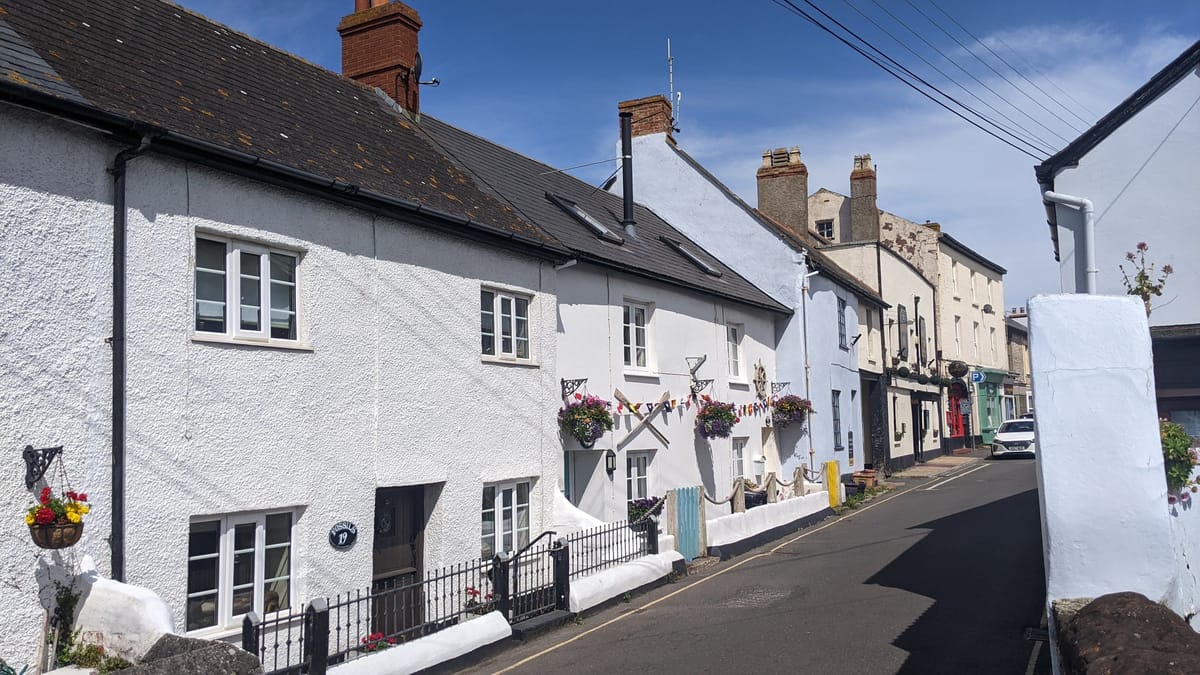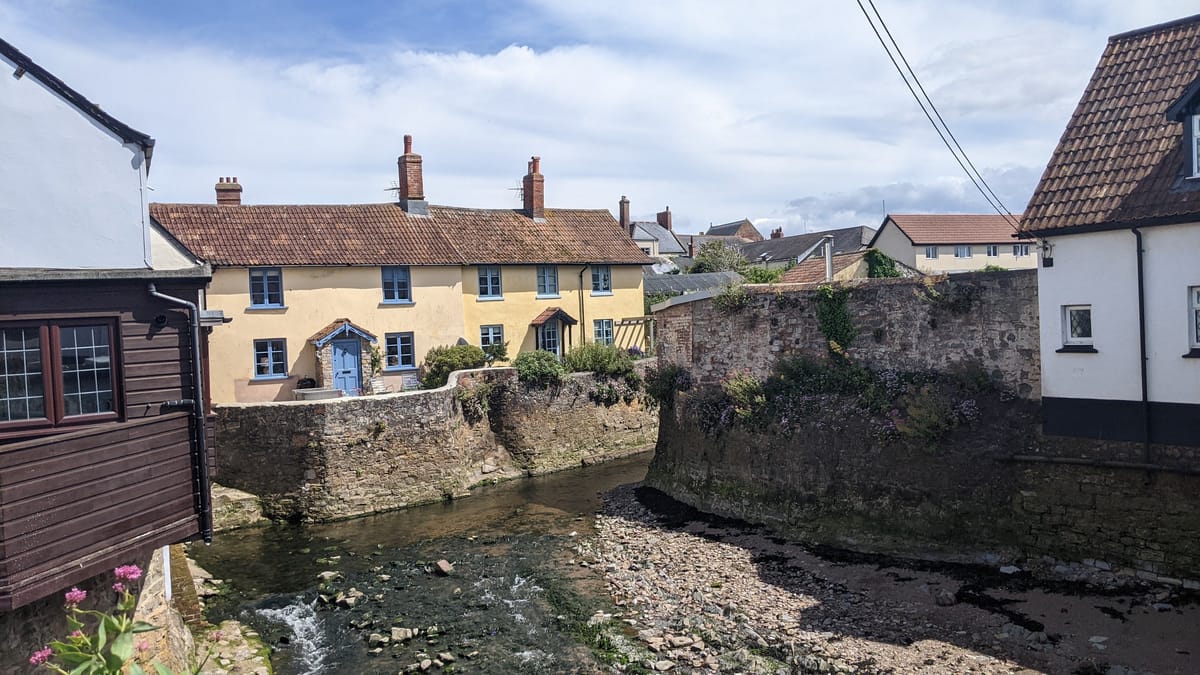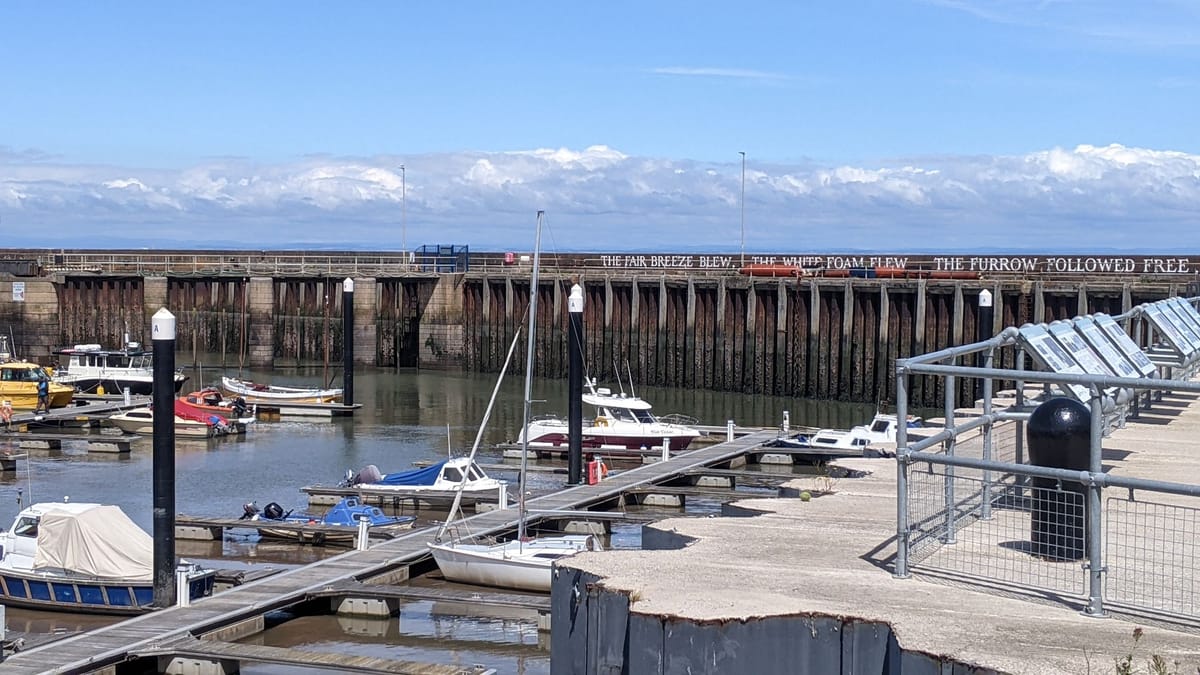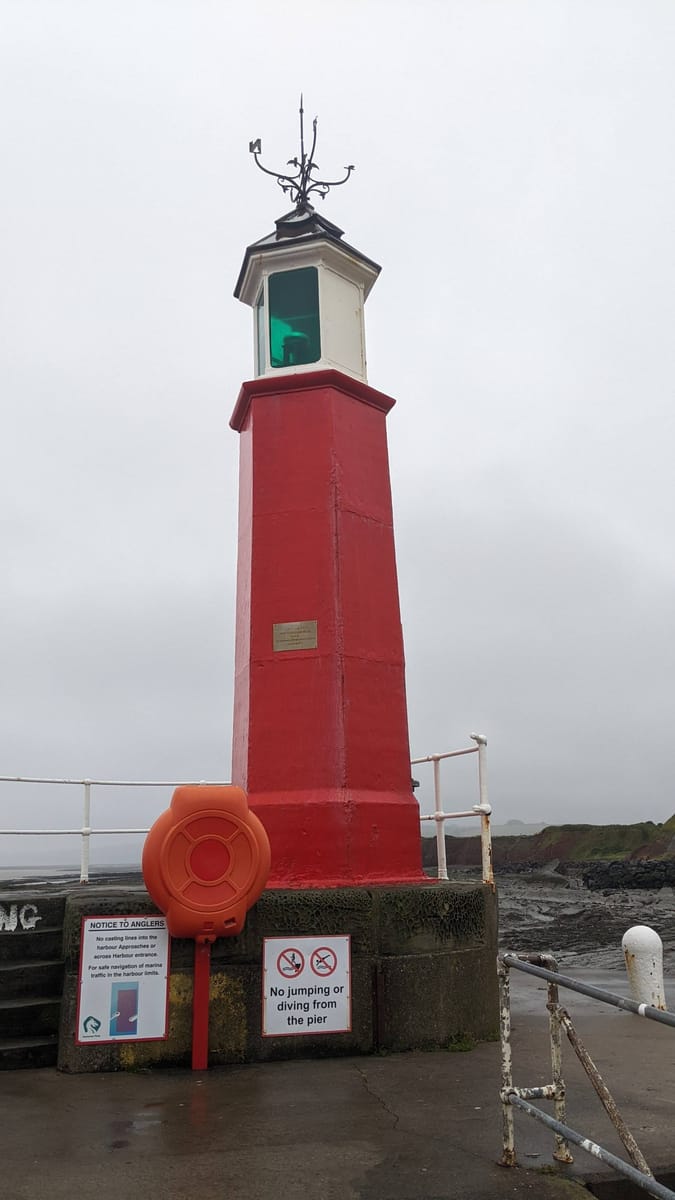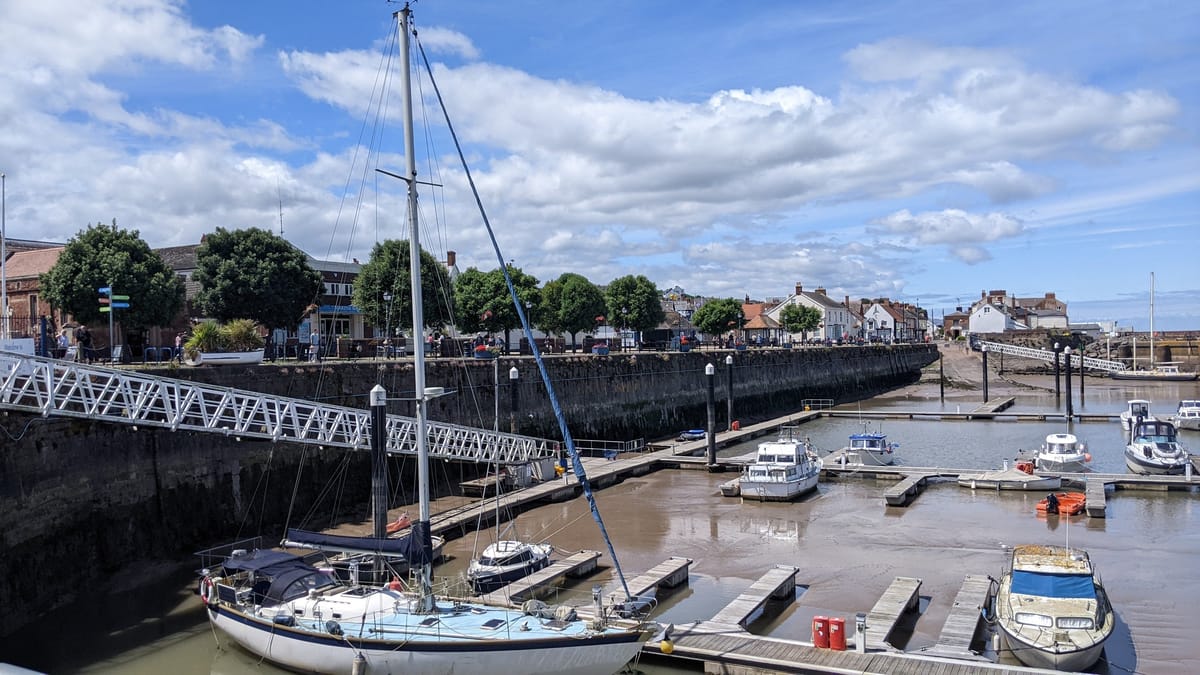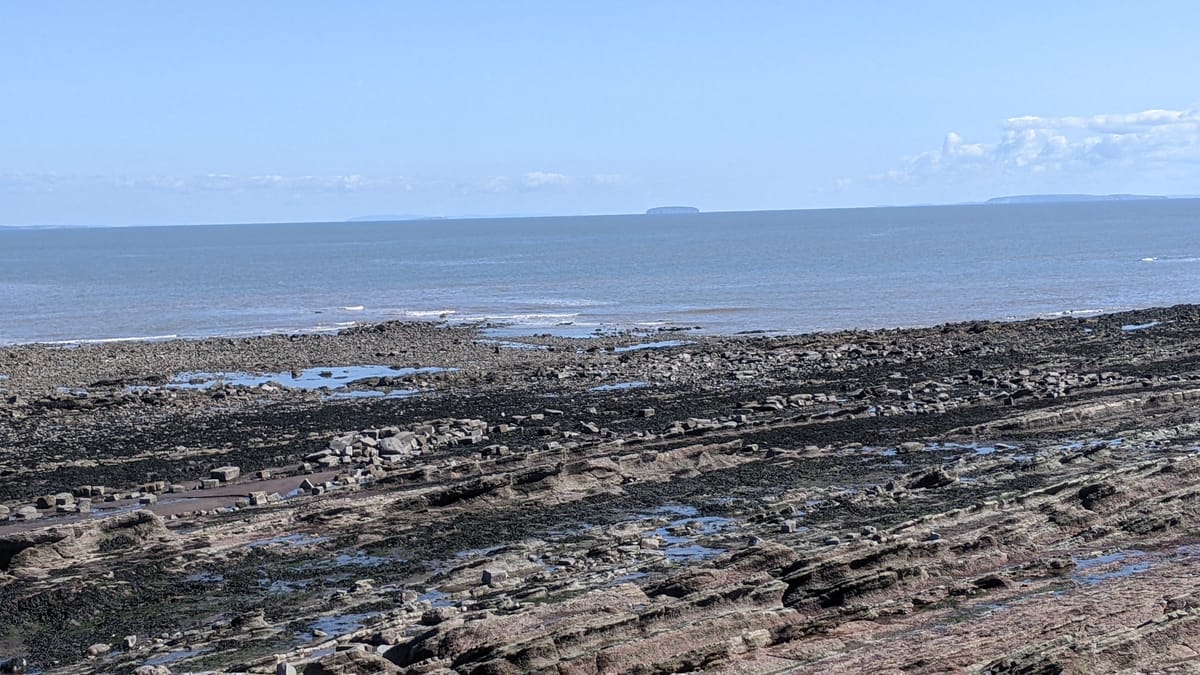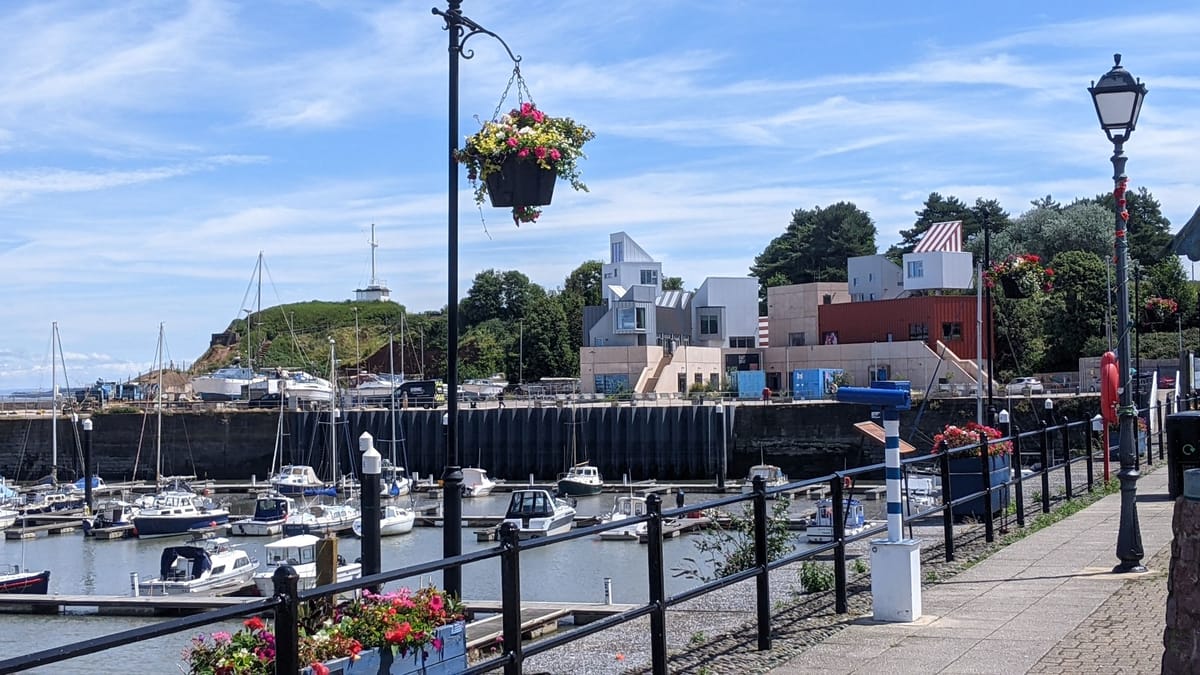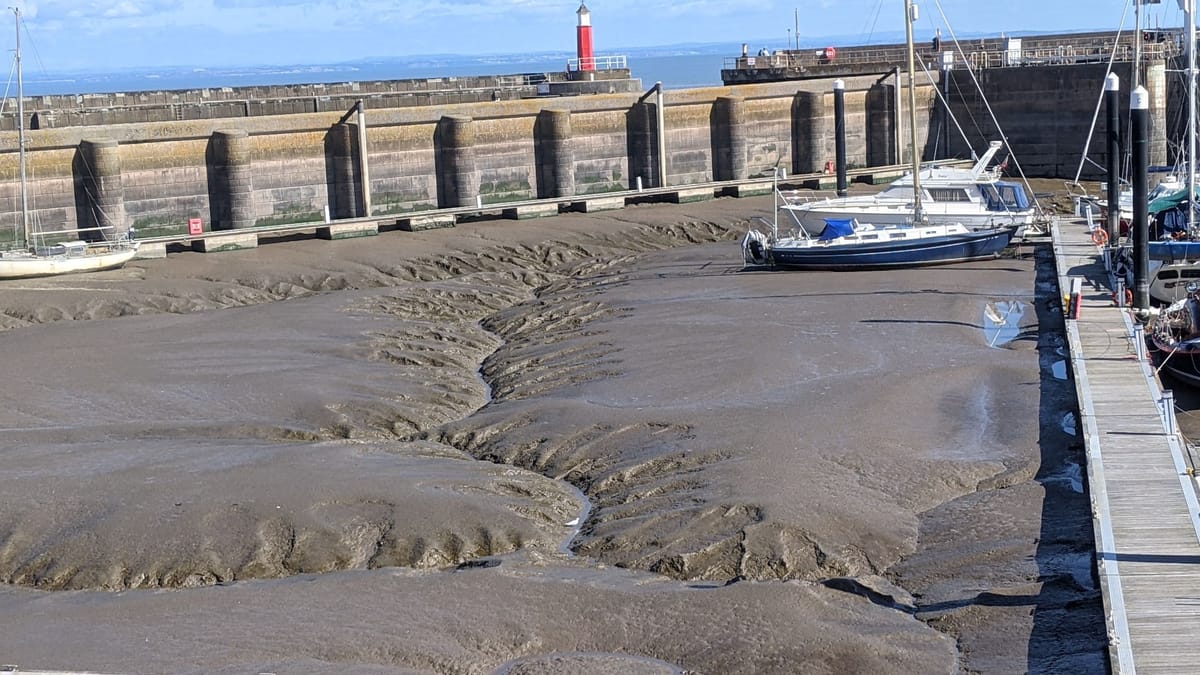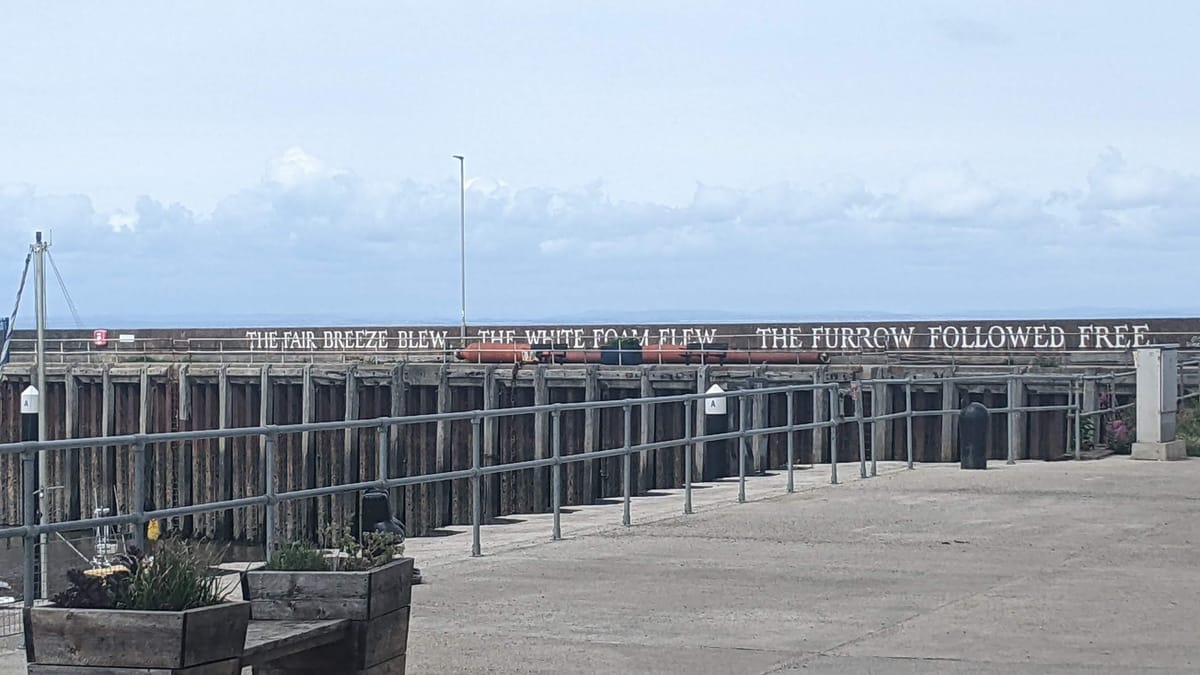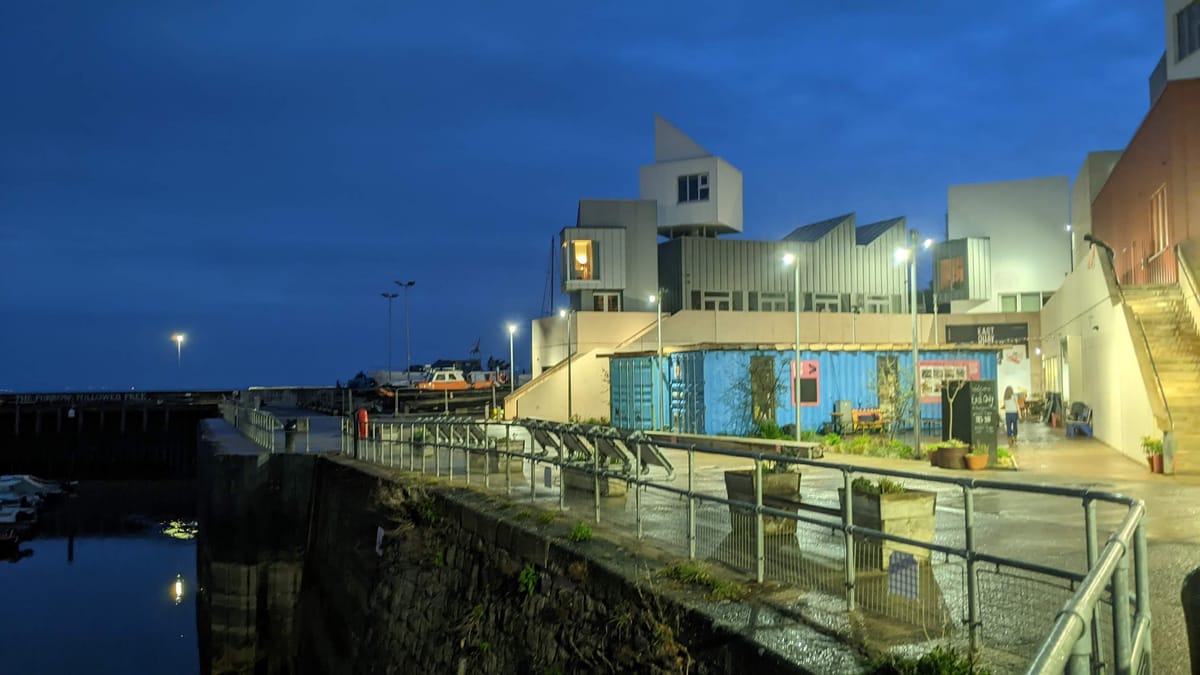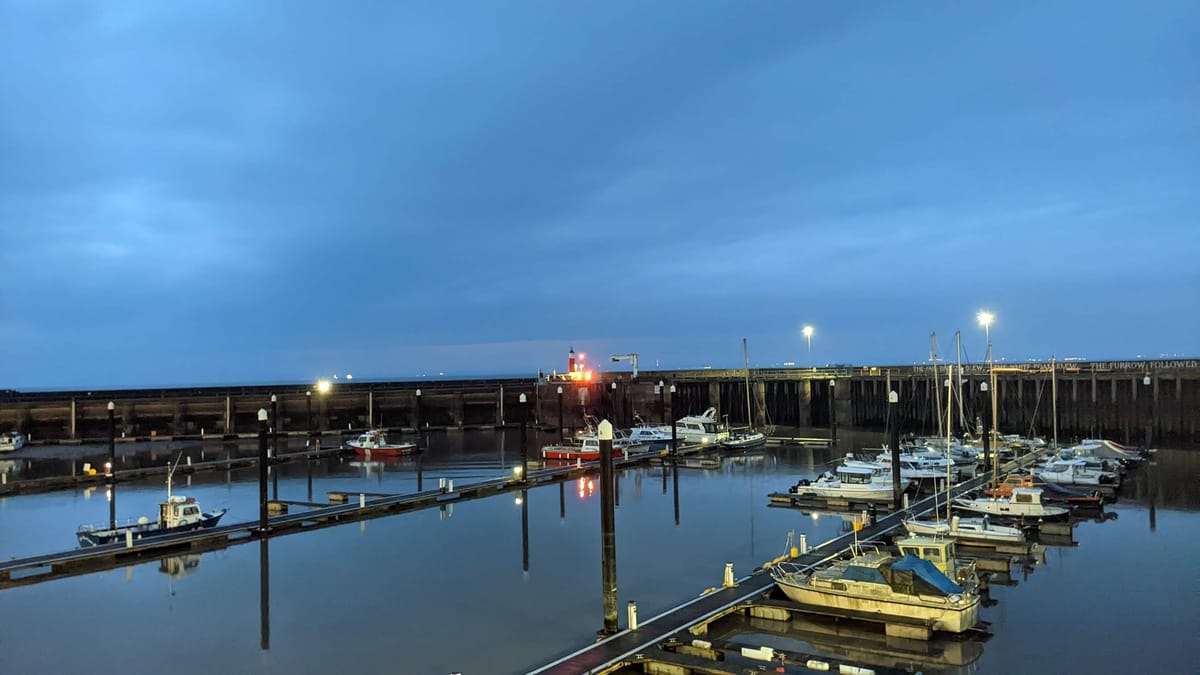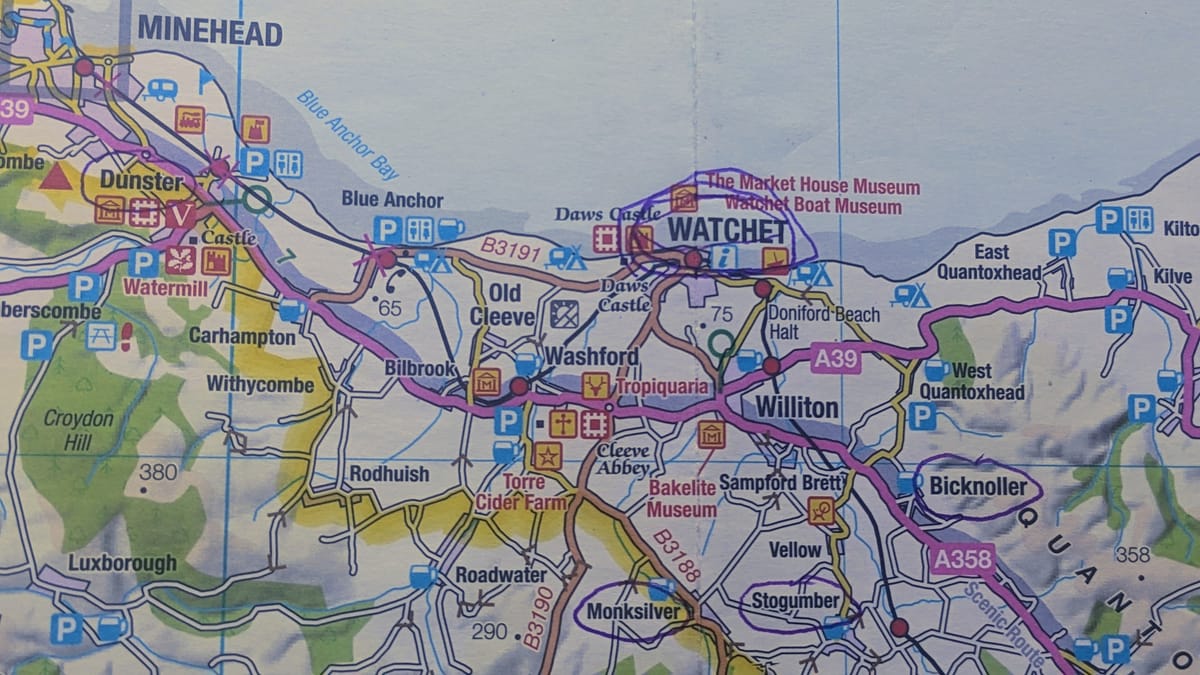
It is different, a little quirky and isn't 'smart'; it has a colour named after it. Papermaking has taken place here for over three centuries - and still does. Its long industrial past is subtly echoed in the recent development to the east of the harbour, and from the harbour wall, you can look out over the murky waters of the Severn Sea. This place is, in my view, perhaps a slightly undervalued gem of loveliness, tucked away on the West Somerset coast.
We are talking about Watchet, where, for over 1,000 years, and possibly longer, there has been a port. Once home to an Anglo-Saxon Royal Mint, which remained operational through to the Middle Ages, this ancient and historic town has stood its ground against some substantial events. Viking raiders have been repelled; Barbary pirates, who for several years terrorised the coastal areas of England's West Country, swept in and regularly captured men, women and children, taking them to the Arab slave markets in North Africa. The harbour walls, damaged by numerous storms, have been replaced at various times over the years, and the harbour was extended during the heyday of the commercial port.
Watchet traded in goods such as lime, which was used extensively in marine construction, and seaweed (kelp), gathered locally and then burnt, with the resulting ash shipped to Bristol for use in the manufacture of glass. Other exports included alabaster, which can still be found on West Street Beach - but watch out for the notorious tides - gypsum for use in the paper industry, fish, wool and cloth manufactured in the local mills.
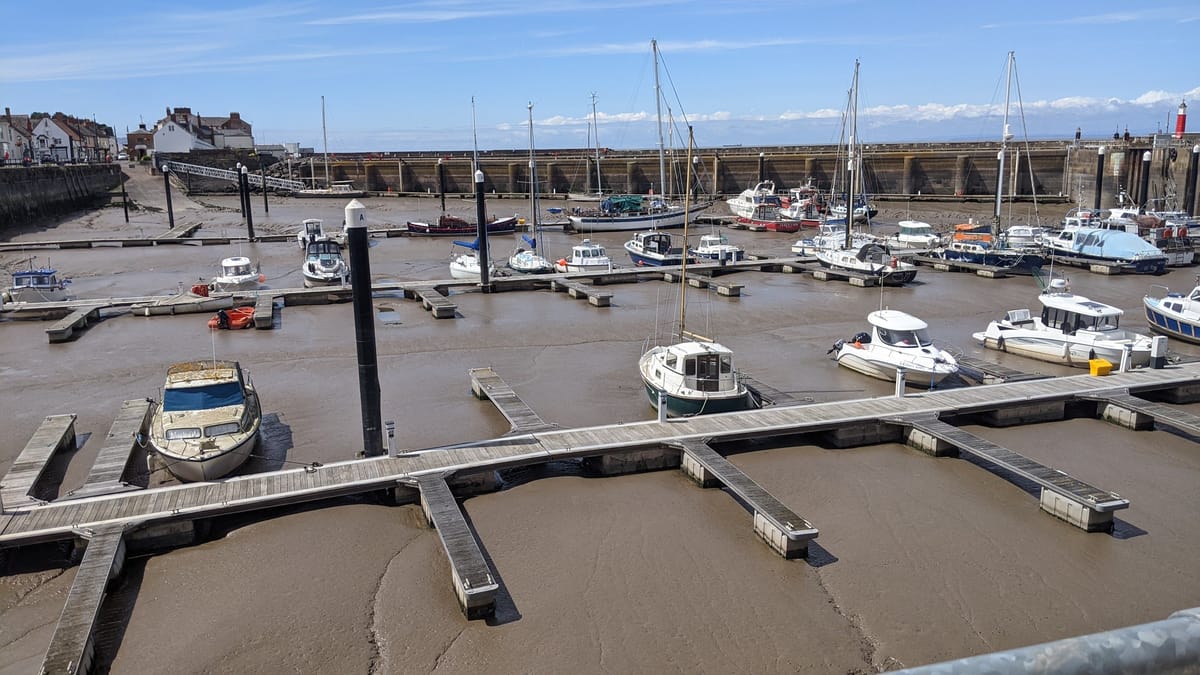
From the early 1700s through to the end of the 19th century, the Port of Watchet flourished, and with the start of iron ore mining in the Brendon Hills, the harbour expanded. The 1860s saw a new harbour, quay and pier. Sadly, in the early 20th century, trade declined rapidly and, barring a few short revivals following WW2, Watchet's glory days appeared to be over. In January 1993, the last cargo ship left the Port of Watchet. The harbour was redeveloped as a marina early in the new millennium, so nowadays Watchet welcomes a new kind of seafarer.
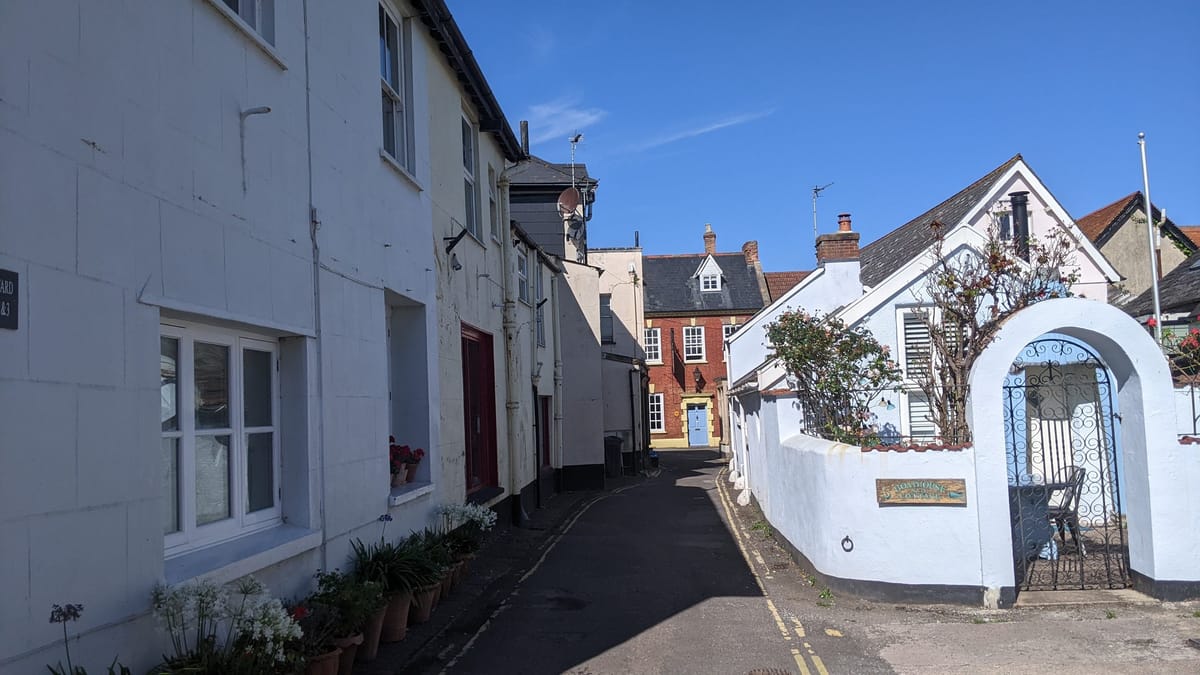
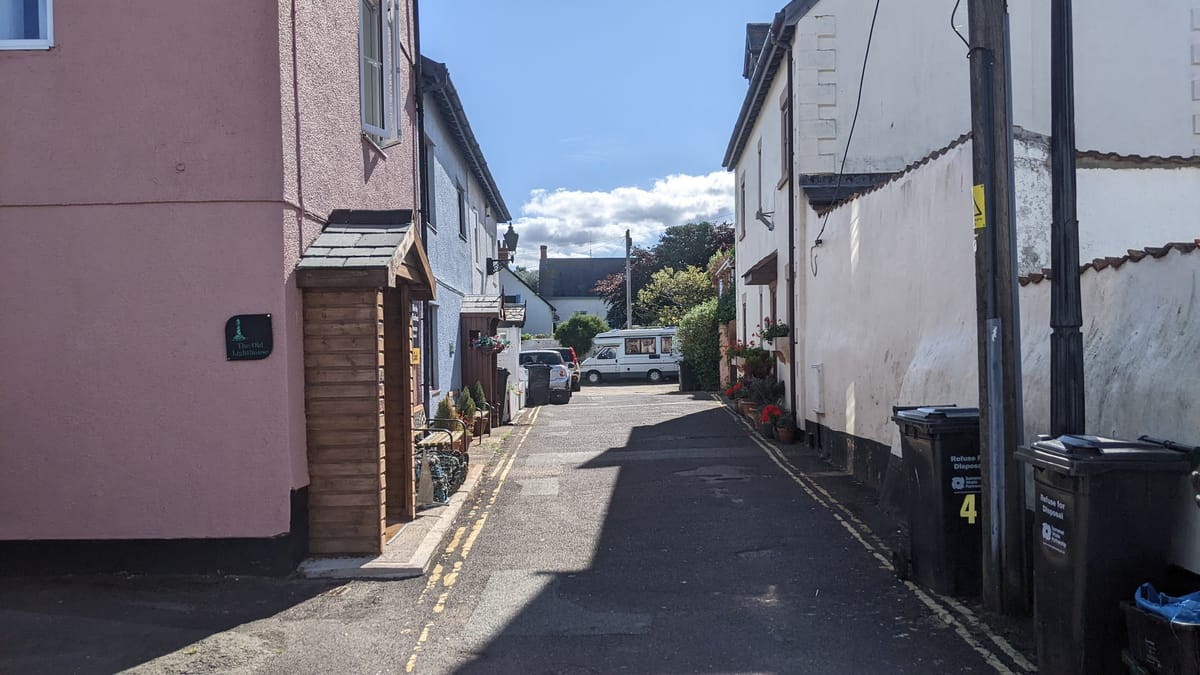
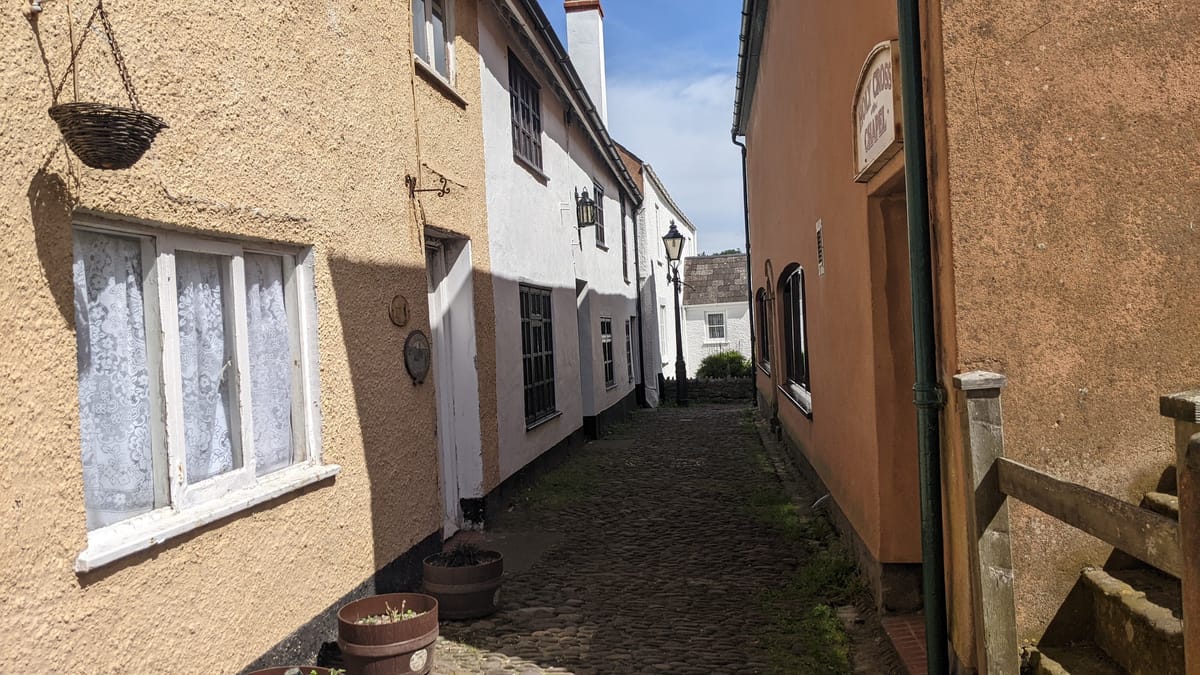
Wandering around Watchet is a joy, even in the rain. There are narrow streets and lots of alleyways, which must have been very useful in the past, as Watchet was a well-known and lucrative hotspot for night running (probably not quite the same 'night running' as we know it nowadays!). All strata of society were involved, making it very much a case of 'watch the wall, my darling, while the gentlemen go by'…!
But I also found a good range of independent shops, pretty cottages and houses. There is an interesting Boat Museum, an excellent and welcoming Visitor Centre, and the Market House Museum, which houses information and artefacts relating to Watchet's long history.
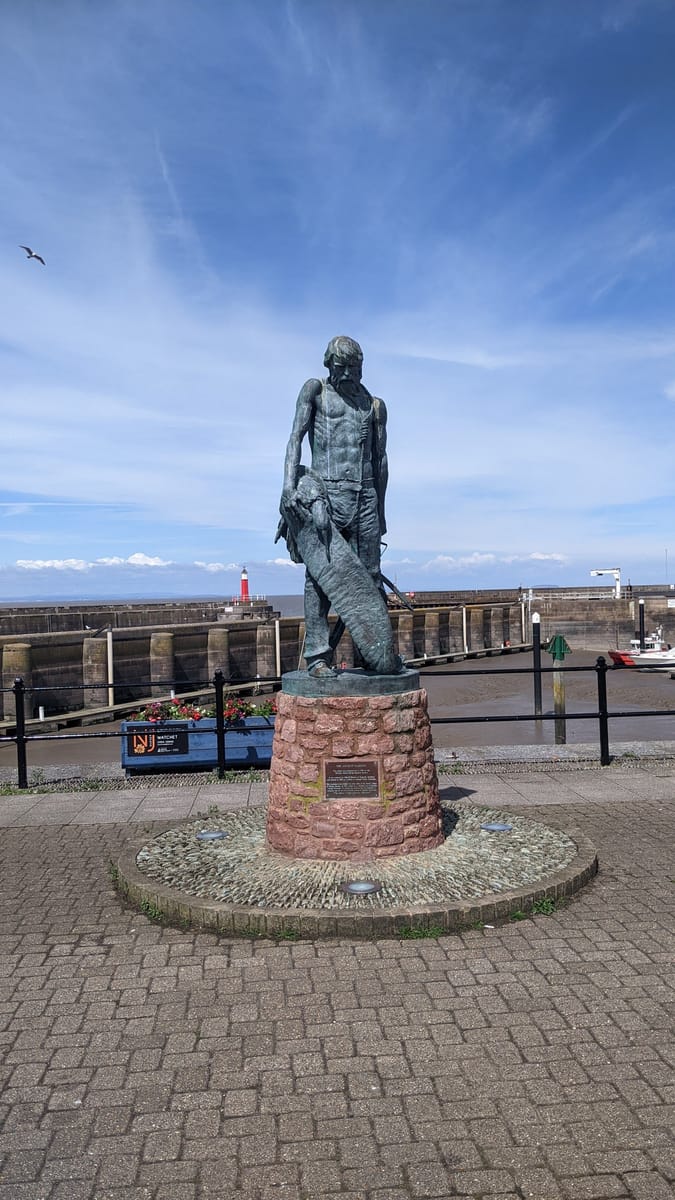
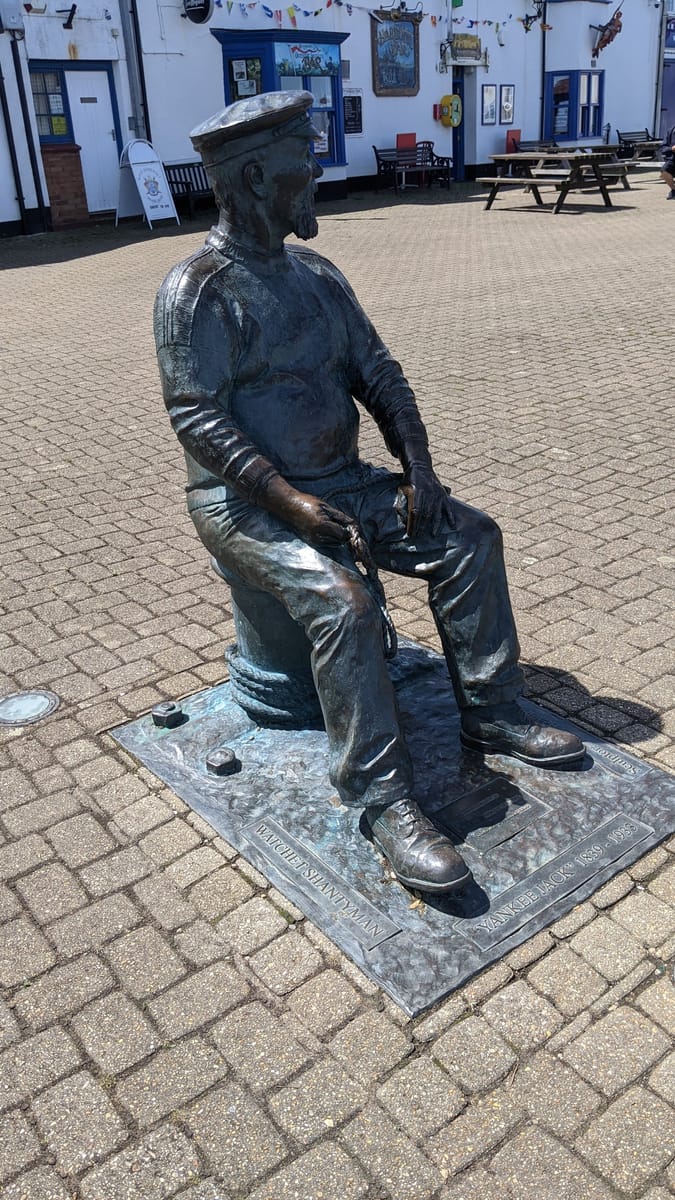
Walking from the Market Place across to the Esplanade, one comes across the Ancient Mariner and Yankee Jack - neither of whom are pubs! They are, in fact, statues celebrating The Rime of the Ancient Mariner, as Watchet Harbour was apparently part of the inspiration for Coleridge when he walked to Watchet from his home in Nether Stowey.
Yankee Jack - 'Sailor and Shantyman' - was John Short, who was born in Watchet in 1839 and died there in 1933. He sailed around the world during a seafaring career spanning over 40 years, earning the nickname 'Yankee Jack' at home in Watchet because he had been on board ships that ran the blockade during the American Civil War. He was taken on as crew because, in addition to his experience as a seaman, he had the reputation and ability to lead work songs, keeping the crew working efficiently as they hauled or heaved.
In 1914, he met and spent time with Cecil Sharp and later with Sir Richard Terry, both renowned collectors and recorders of traditional English folk songs and shanties. Had it not been for the diligence of these two, their wish to preserve these songs for posterity, and the many people - such as Yankee Jack - who knew the songs passed down through the generations, our knowledge and enjoyment of them would be incomplete. We would all be the poorer for it.
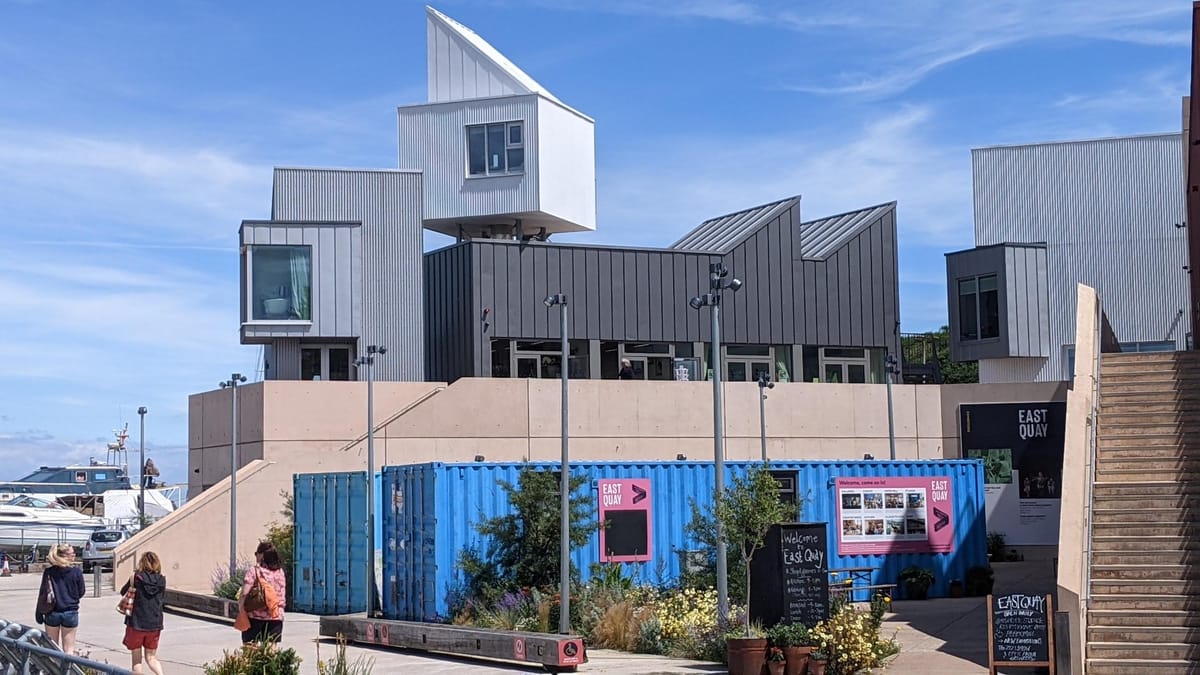
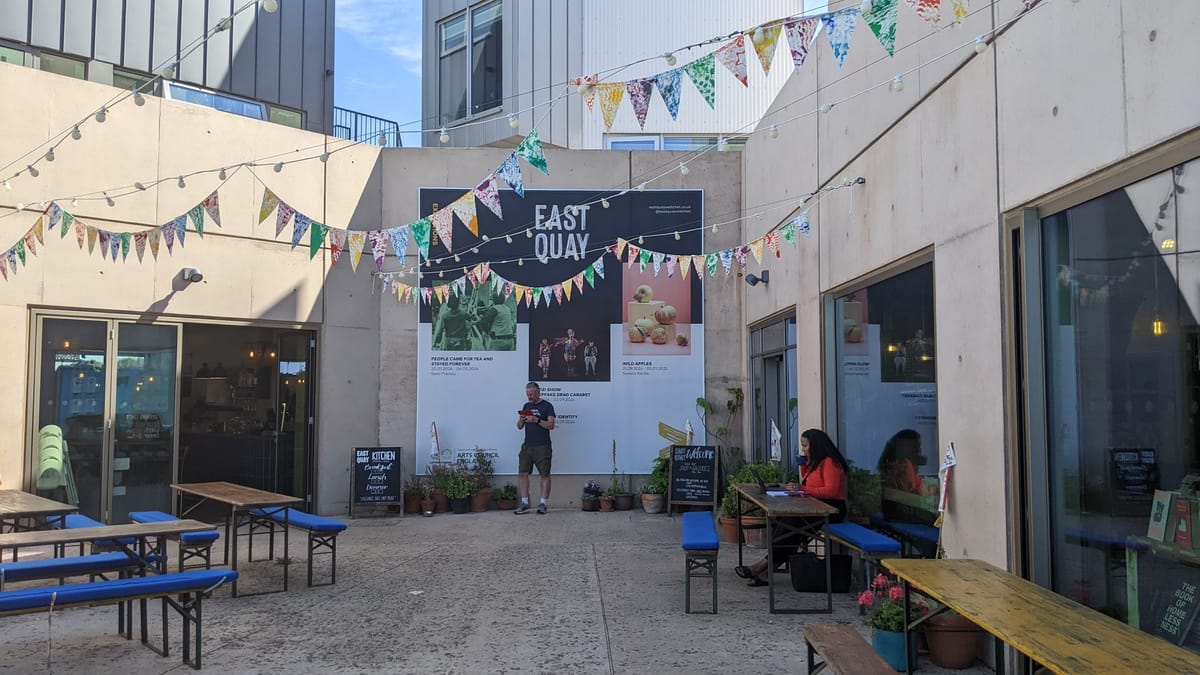
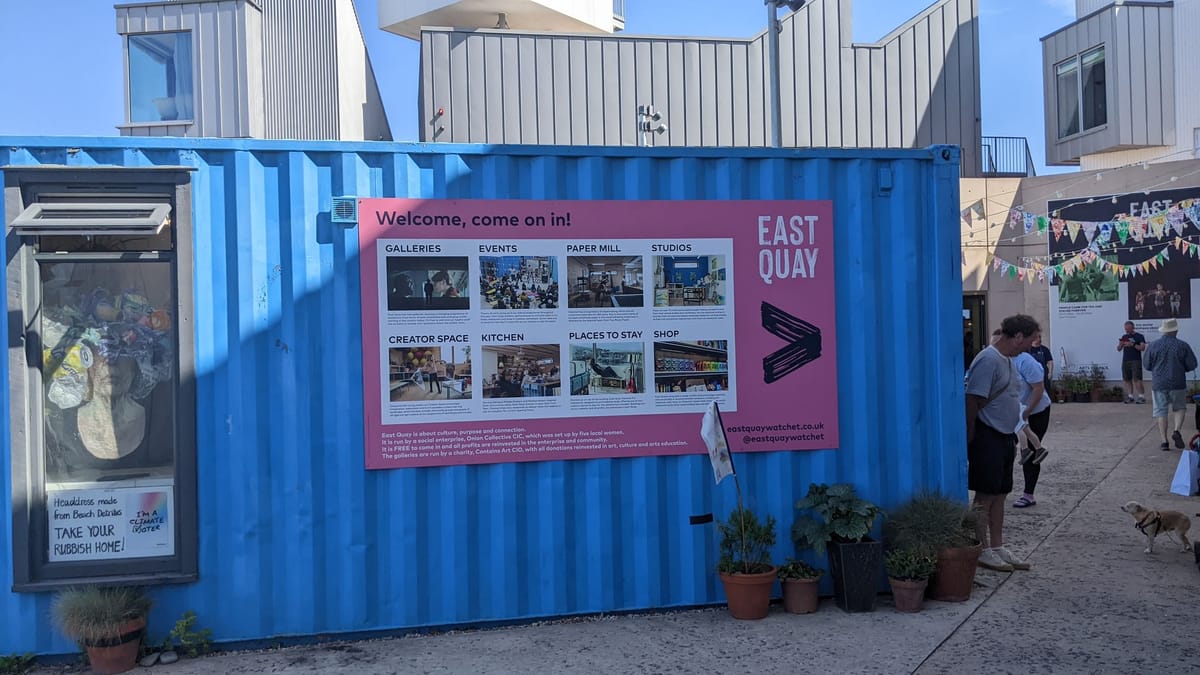
Towards the end of the Esplanade, I found East Quay, a really super Arts Centre which opened in September 2021. It was the brainchild of the Onion Collective, a Community Interest Company (CIC) that began as an idea by a group of local people who wanted to ensure that any development of the area would benefit the town and its people in the long term, for generations to come.
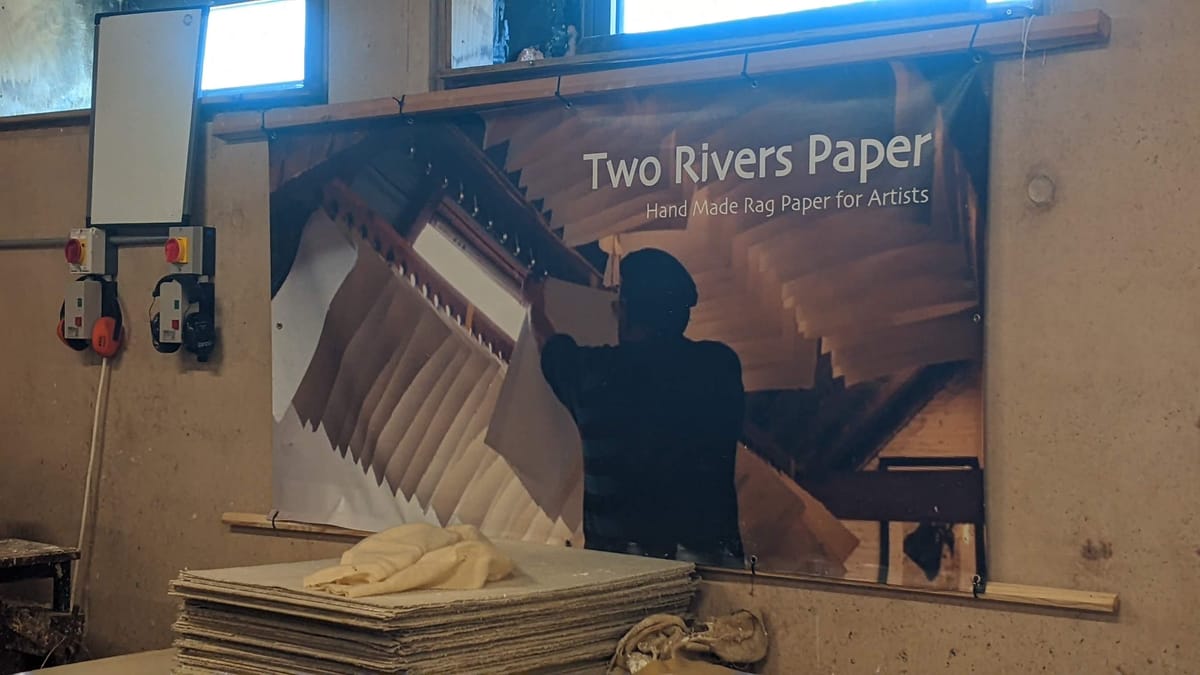
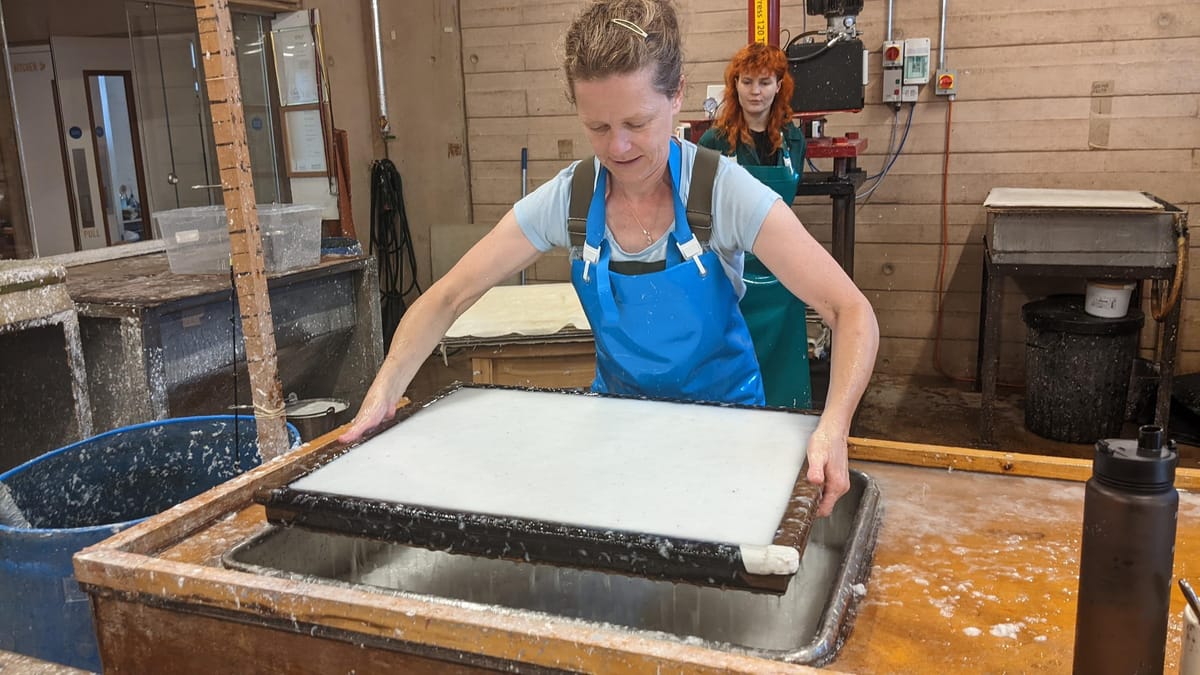
Located on the East Quay site, the centre has a shop and gallery, substantial exhibition spaces and several enterprises, including The Kitchen Restaurant & Café, 11 individual artists' studios and Two Rivers Paper Mill, which produces handmade rag paper for artists. It is one of the very few commercial hand mills left in Europe, and one of only three in England. At the top of the building are five stunning holiday rental accommodation pods.
As I ponder my Wander to Watchet, I realise that my visit actually only scraped the surface of this little town. Watchet is - I think - unique; it has an unpretentious but interesting vibe about it. To me, it is the sort of place one can return to often, knowing that there will always be something new to discover.
Hang on - what, no mention of churches, medieval bench ends or stone effigies? How unusual for The Wessex Wanderer, I hear you cry! Fear not, keep your eyes peeled, and you might hear a tale of a travelling cow - or should that be tail…?